
In medical device manufacturing, the quality problems that matter most are the ones you don’t catch until it’s too late: a part that passes visual inspection but fails traceability documentation, a supplier that has never been audited to ISO 13485, or a DFM issue that surfaces after tooling is cut and the program clock is already running. Precision Expedited is built to prevent those problems.
ISO 13485 first
ISO 13485 is the first filter in medical device manufacturing. It governs quality management across the supply chain, beyond the finished device. For regulated programs, working with suppliers who understand this standard is the baseline.
Precision Expedited is ISO 13485 compliant and ISO 9001:2015. Every vendor in our network is vetted, every project runs under documented quality systems from prototype through production, and full traceability is available when your program requires it. Part of that traceability work is making sure requirements survive every handoff between shops.
One contact who owns the program
Medical device programs carry enough coordination overhead already: regulatory timelines, design transfer, clinical schedules, and internal stakeholders. Your manufacturing partner shouldn’t add to that load. At Precision Expedited, one person owns your project from RFQ through delivery. That person reviews your drawings before they go to a supplier, coordinates the vendor network, and stays with your project when things get complicated.
What we build for medical programs
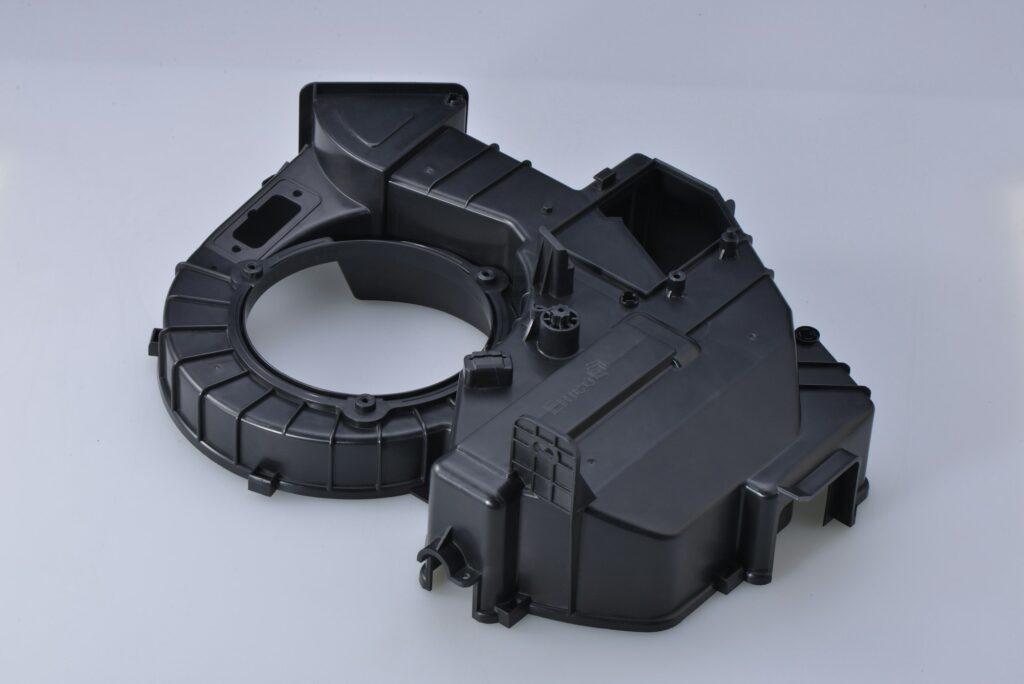
We support the full range of medical device components, including surgical instruments and handheld devices, orthopedic instruments and cases, diagnostic and lab equipment, device housings and capital equipment, micro-precision components, and electromechanical assemblies.
We coordinate CNC machining + sheet metal fabrication + additive manufacturing + injection molding + finishing + electromechanical assembly. Our vetted vendor network holds tolerances to ±0.001″, and parts are inspected in San Clemente before shipment. Material choice matters here too, and our comparison of corrosion resistant alloys covers the grades medical programs use most.
The process that prevents late surprises
Late manufacturability surprises are expensive in any industry. In medical, they can derail a product launch or a regulatory submission. Every drawing we receive gets a full review before it goes to a supplier. If a feature will cause problems at tolerance, a geometry is hard to hold in the specified material, or a finish spec needs clarification, we flag it before a part is cut. You get a clear quote, a defined timeline, and a manufacturing plan matched to suppliers who know regulated work, and a real person contacts you within 24 hours.
Frequently asked questions
The international quality management standard for medical device manufacturing. It covers design controls, risk management, traceability, and supplier controls across the supply chain.
Many device makers require it, or require suppliers to work under a 13485 quality system, especially for components that affect device safety or performance. Check your program’s supplier requirements.
Typically material certifications, lot traceability, process records, inspection reports, and documented change control, scaled to the risk class of the device.