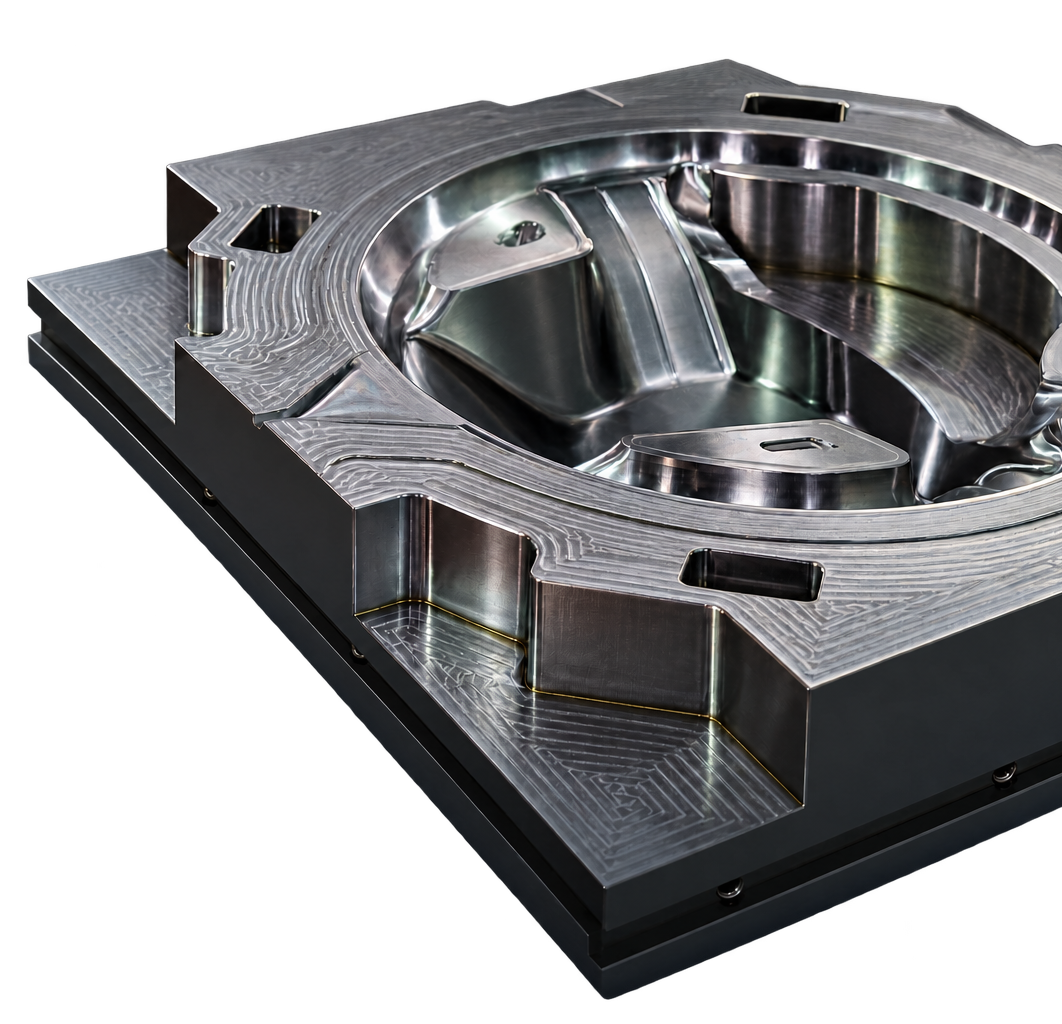
Precision CNC machining.
Complex parts. Clear ownership.
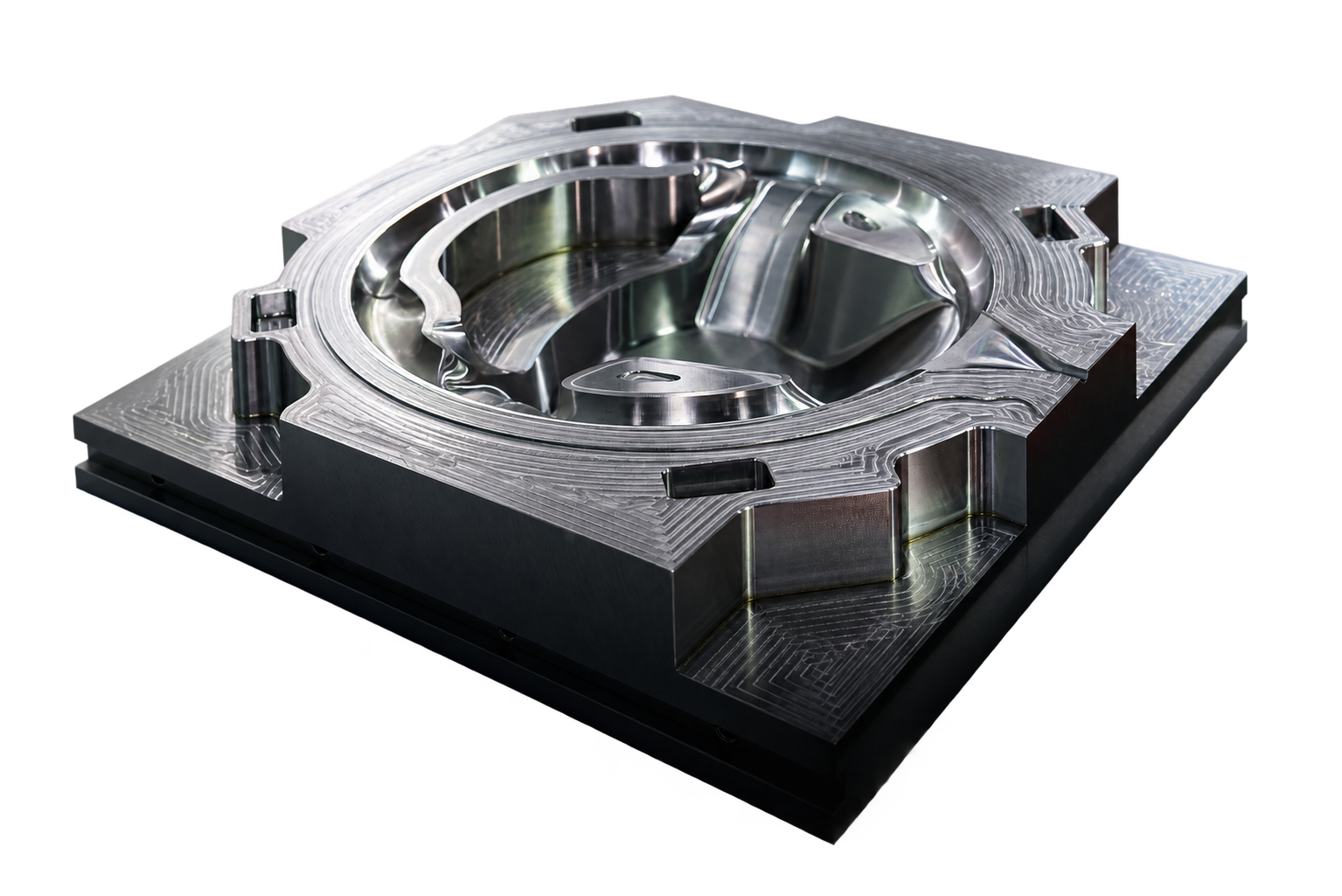
Your drawing has notes.
We read those too.
Complex geometry. Tight tolerances. A thousand tiny ways to get it wrong. Our engineers review your print, match the right CNC shop to the work, and keep one U.S.-based project manager on the job through finishing, inspection, and delivery.
The specs.
Not the sales pitch.
Working ranges and process options across our qualified network. Send the actual drawing to confirm feasibility, tolerance, and documentation requirements.
- Metals
- Aluminum · Steel · Stainless steel · Titanium · Inconel · Copper · Brass
- Plastics
- ABS · POM (Delrin) · PEEK · Nylon · UHMWPE · Most engineering plastics
- Tightest tolerance
- Down to ±0.001″ on suitable features through qualified suppliers
- Typical Tolerances
- ±0.005″ standard · Tighter tolerances reviewed during quoting
- File Formats
- STEP, IGES, native CAD + 2D prints with GD&T
- Volume
- Single prototypes through production programs
Material + DFM guides
Get the details in place before the job reaches the shop.
CNC Machining Material Guide
Review material options and the requirements that affect selection.
CNC Machining DFM Guide
Review design considerations before releasing your drawing.
Related reading
More on getting machined parts right the first time.




Precision Expedited is the most reliable and fast partner I’ve ever worked with. I know I can trust my Project Manager quotes and lead times, and they’ll work with me through the whole process.
BRIAN J. – PROCUREMENT MANAGER
Good questions.
No ticket numbers.
Tight tolerances are available through our vetted vendor network, down to ±0.001″ on critical features. We flag which dimensions actually need that level of control during engineer review, since applying the tightest callout to an entire part instead of the two or three features that require it drives up cost without adding value.
Our network machines aluminum, steel, stainless steel, titanium, Inconel, copper, and brass, plus engineering plastics including PEEK, Delrin, nylon, and UHMWPE. We run those materials across 3, 4, and 5-axis CNC milling, turning, Swiss machining, and wire EDM. If a material is unusual or hard to source, that’s exactly the kind of conversation a single point of contact is built for.
Yes. Our vendor network machines titanium and Inconel across 3, 4, and 5-axis CNC milling, turning, and wire EDM, from single prototypes to production runs. Both alloys are hard on tooling and generate heat that can affect tolerances, so every program goes through engineer review before it reaches the shop floor, and we route it to a vendor with proven experience in that specific alloy. Standard tolerances are ±0.005″, with tighter callouts down to ±0.001″ on critical features. These materials show up most often in aerospace, defense, and medical programs, which is why AS9100D and ITAR requirements are handled within the same network.
Yes, from a single machined prototype through production volumes, with the same engineer review and point of contact at every quantity.
A portal matches your file to whichever vendor bids fastest. We match your project to the vendor in our network that’s equipped to run it well, with engineer review before it ever reaches the shop floor and one contact who owns it through delivery.
You’ll hear back within 24 hours. Lead times depend on the part, material, quantity and finishing, so we give you a realistic date with the quote instead of a number that slips later.
It depends on the program. Material certs, a certificate of conformance, first article inspection and AS9102 reports are scoped during quoting, based on your industry and drawing requirements. Tell us what your quality team needs and your project manager builds it into the job.
Bring the difficult drawing.
The awkward pocket. The critical fit. The deadline with consequences. Let’s talk through the job.