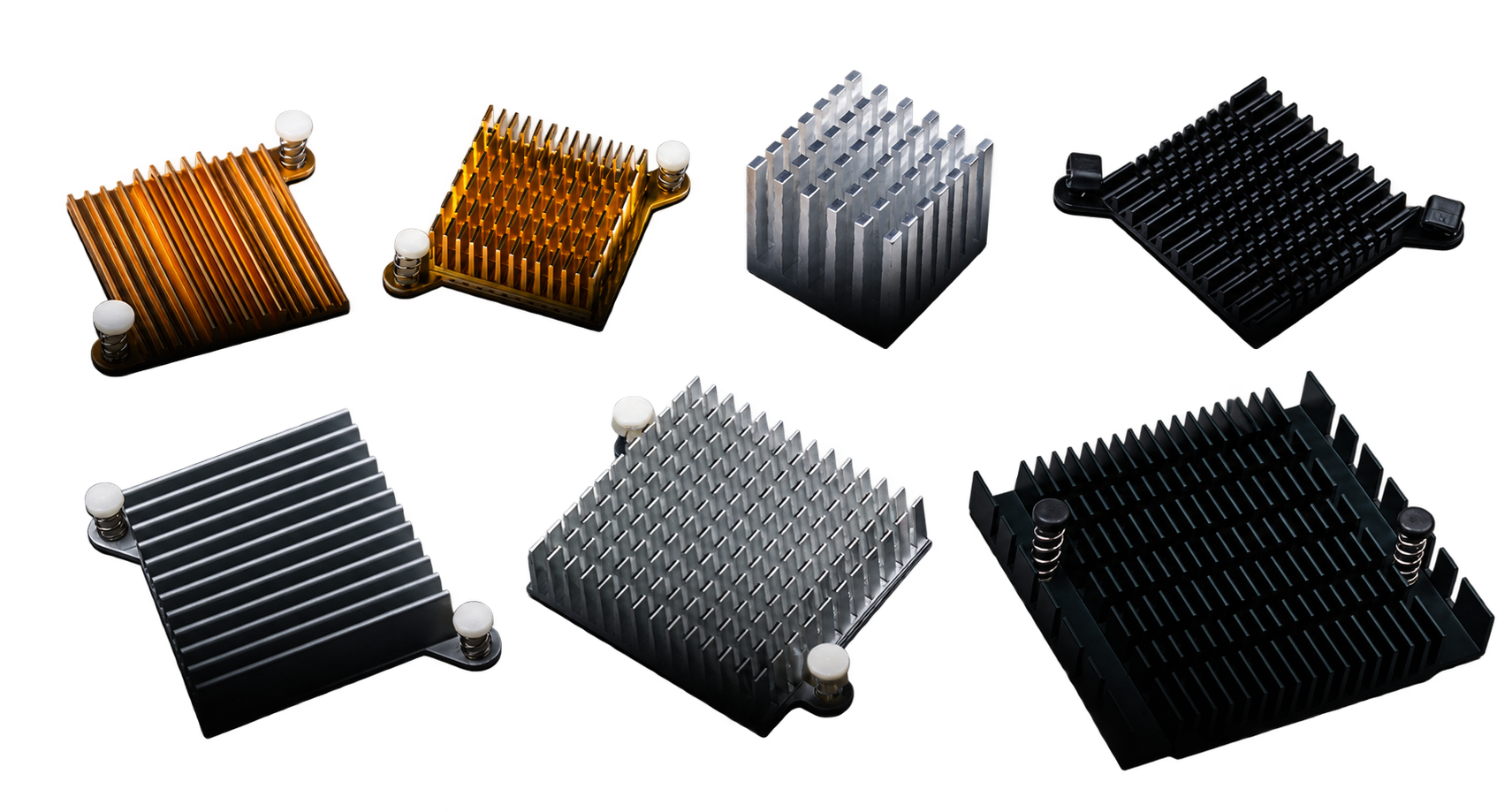
Finishing coordinated into the program. Not bolted on at the end.


Finishing requirements defined late cost time and money. We scope finishing in the drawing review and quoting process so your part arrives complete. No extra vendors. No extra weeks. Anodizing, powder coat, chem film, plating, color-match, and marking requirements all coordinated through a vetted finishing network.

One contact owns it start to finish.

Choosing your finish.

Cosmetic and performance requirements point to different finishes. Here is how we match the process to what the part needs to do.

Anodizing

An electrochemical process that builds a hard oxide layer on aluminum for wear resistance and color.

Right when: Aluminum parts need corrosion resistance, wear resistance, or color without added coating thickness.

Common parts: Aerospace aluminum components. Enclosures. Cosmetic aluminum parts.

Chem Film / Alodine

A chemical conversion coating that protects aluminum while preserving electrical conductivity.

Right when: The part needs corrosion protection but has to stay conductive or paint-ready.

Common parts: Electrical enclosures. Grounding surfaces. Paint-prep aluminum parts.

Powder Coating

Dry powder applied electrostatically and cured to a durable, textured or gloss finish.

Right when: The part needs a durable cosmetic finish across steel or aluminum, often at production volume.

Common parts: Enclosures. Brackets. Equipment housings.

Electroplating

An electrochemical process that deposits a thin metal layer, nickel, zinc, or chrome among others, onto a part’s surface.

Right when: The part needs wear resistance, conductivity, or a specific metal finish the base material doesn’t provide on its own.

Common parts: Connectors. Fasteners. Wear surfaces.

Wet Paint and Color Match

Liquid paint applied and cured, matched to a specific color standard.

Right when: Cosmetic appearance and an exact color match matter more than production-line speed.

Common parts: Cosmetic housings. Customer-facing enclosures.

Pad Printing and Silk Screening

Ink is transferred onto a part’s surface for logos, labels, or markings.

Right when: The part needs permanent branding, part numbers, or control markings.

Common parts: Labeled housings. Control panels. Branded components.

Specifications

These are our standard parameters. If your part falls outside them, send the drawings anyway. The jobs other suppliers turn down are often the ones we do best.

Protective coatings
Anodizing · Chem film / Alodine · Electroplating · Galvanizing · Powder coating
Paint + color
Wet paint · Color-matched paint · Primer + topcoat · Clear coat
Marking + decoration
Pad printing · Silk screening · Laser engraving
Mechanical finishing
Polishing · Bead blasting · Tumbling · Deburring
Specialty finishes
Application-specific finishes available · Confirm requirements at quoting
Process coordination
Finishing coordinated with machining, sheet metal, molding, or additive in a single program
File formats
2D prints with finish callouts · STEP files for geometry reference
Quote turnaround
Within 24 hours
Quality
ISO 9001:2015 · Finish spec confirmed during drawing review · Inspection before shipment

What Our Customers Say

Anali is the most reliable and fast representative I’ve ever worked with. She is a huge factor in why I keep going to PE for work. I know I can trust her quotes and lead times, and she works with me through the whole process.

Brian J. · Procurement Manager

“PE took a complex sourcing project off our team’s plate and managed it the way a true extension of our group would.”

Lead Mechanical Engineer Aerospace Startup

Bryn is amazing; you could clone him.

Paul · Sr. Project Engineer

Common questions about finishing and post-processing

A few things buyers ask before specifying a finish.

Anodizing, chem film, powder coating, electroplating, galvanizing, wet paint, color matching, pad printing, silk screening, welding, and hardware assembly, across both cosmetic and performance-driven requirements

Yes. Finishing is built into the same project timeline as the CNC, sheet metal, or molded part it belongs to, so it isn’t a separate RFQ or a separate vendor relationship on your end.

Cosmetic finish gets treated as a spec, not a nice-to-have. When a part has to look right and perform, finish and function get decided together during engineer review, not left to chance at the finishing stage.

They can, depending on the process and any masking, racking, or secondary inspection involved. That’s part of what gets scoped during quoting, so the timeline you get already accounts for it.

A portal typically treats finishing as a bolt-on line item. We coordinate it as part of the same build with the same vendor accountability, and every finished part is inspected in San Clemente before it ships.

Send us your files.

A real person will contact you within 24 hours.

ISO 9001:2015 · ITAR Registered · Finishing coordinated in-program · Every part inspected before it ships.