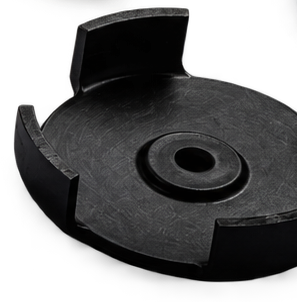
Custom injection molding.
Think it through. Then tool it.
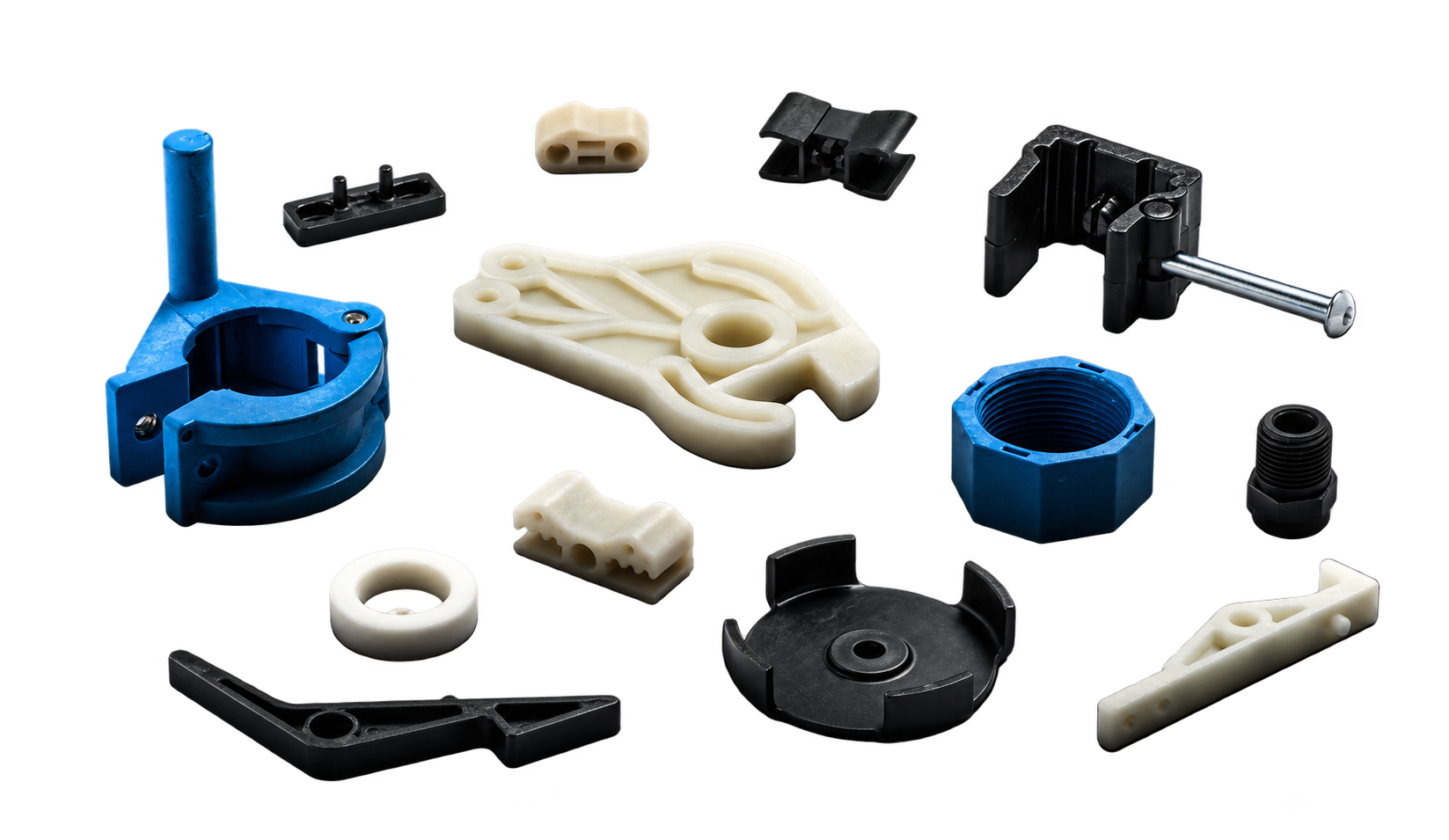
A mold is an expensive place
to discover a missed drawing note.
Injection molding and tooling through vetted suppliers, with design review before the mold is cut. Your project manager connects resin selection, tooling, sampling, molding + finishing in one program.
The requirements.
Before the routing.
Send the drawing, material grade, quantities and delivery needs. Capability and acceptance requirements are confirmed for your specific job.
- Tooling types
- Aluminum molds (prototype + bridge production) · Steel molds (production volumes)
- Capabilities
- Insert molding · Multi-cavity tooling · Light assembly · Family molds, LSR (Liquid Silicone Rubber), Compression Molding, Overmolding, + More
- Post-processing
- Painting · Pad printing · Assembly · Secondary operations
- Materials
- Most thermoplastics, including ABS, Nylon, Polycarbonate, PEEK, POM (Delrin), and TPE/TPU
- Volume range
- Prototype quantities through high-volume production
- File formats
- STEP, IGES, native CAD, 2D prints
- Quote turnaround
- Within 24 hours · Tooling lead time confirmed at quoting
- Quality
- ISO 9001:2015 · Engineer review before tooling · Inspection before shipment
A few things worth asking.
Both. The vendor network supports aluminum and steel tooling, insert molding, and a clear path from bridge production into full-volume manufacturing once a design is ready to scale.
Engineer review checks wall thickness uniformity, draft angles, and rib and boss placement against the design intent, since those are the most common causes of cosmetic and dimensional defects in molded parts.
They’re cost drivers, not automatic disqualifiers. We flag them early so you know what they add to tooling complexity and cost before quoting, instead of finding out after the first shots come off the press.
Injection molding earns its tooling cost back at mid- to high-volume, repeatable production. Lower volumes or active design iteration usually stay better served by 3D printing until the design is stable enough to commit to a mold.
Capability and tolerance claims come from a vendor network we’ve vetted in person, not a database of capacity. One contact manages tooling, molding, and finishing together instead of you coordinating separate vendors for each step.
Better questions.
Before harder tooling.
Send the CAD, resin requirements, and expected quantities. We’ll start with the decisions that matter.