Where Quality Escapes Actually Start
What actually changes at the prototype to production transition
Prototype and production aren’t just different quantities of the same process. Depending on the part, the transition can mean an entirely different manufacturing process:
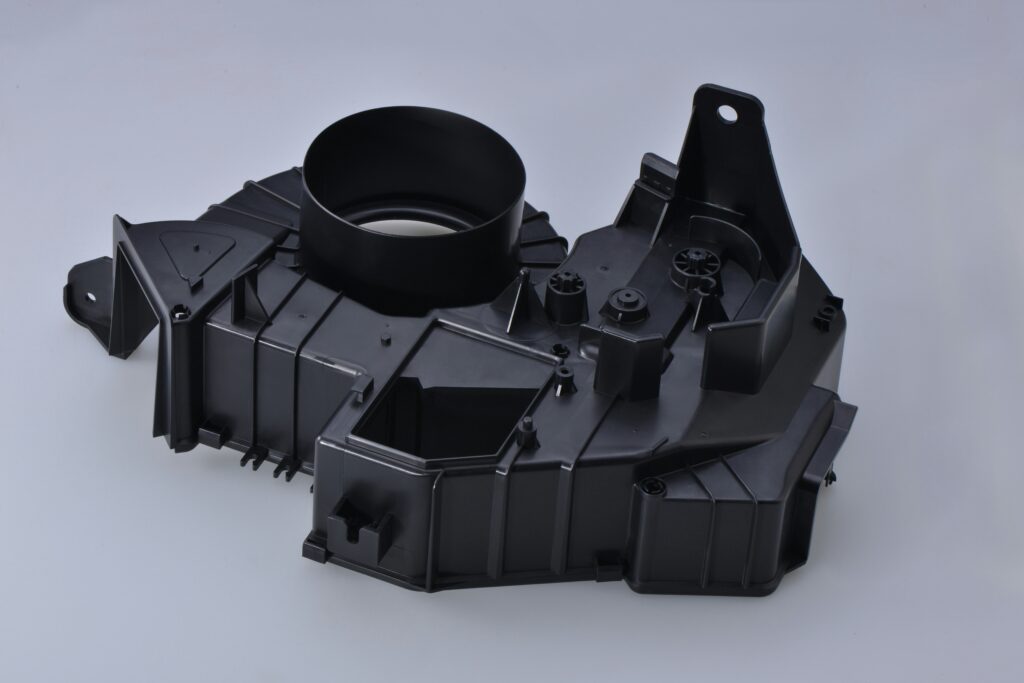
- 3D printed or CNC-machined prototypes moving to injection molded production parts
- Soft or bridge tooling moving to hardened, production-grade tooling
- Manual or low-rate assembly moving to a repeatable, documented build process
- One-off material certifications moving to a qualified, traceable material supply chain
Each of those shifts changes the cost structure. Tooling is a fixed cost paid once and amortized across the run. Prototype processes carry no tooling cost but a much higher per-part price. Committing to tooling before the design is locked means paying for changes twice, once in engineering time and once in tooling rework.
Signals a design is actually ready for production tooling
- The design has been through at least one full manufacturability review, not just a fit-check prototype run
- Critical dimensions and tolerances are called out deliberately, not inherited from a CAD default
- Material has been qualified for the application, not just selected for prototype convenience
- Volume projections are stable enough to justify a fixed tooling investment
- The last round of prototype iterations changed cosmetic or minor details, not core geometry or function
If a design is still absorbing structural changes between revisions, it isn’t ready for hard tooling yet, regardless of how close the launch date is. That pressure to commit early is exactly where programs end up paying for a mold change six weeks after cutting steel.
The cost of switching too early
Production tooling is built around a specific, frozen geometry. A design change after tooling is cut doesn’t just cost the tooling modification. It costs the schedule slip while the tool is reworked, the scrapped parts already run against the old geometry, and in some cases a full requalification if the change touches a critical dimension. On regulated programs, that requalification carries its own paperwork and timeline.
The instinct to lock in production early usually comes from a launch date, not from the design itself being ready. A launch date doesn’t change how many more revisions the design actually needs.
The cost of waiting too long
The opposite mistake is just as real. Running production volume through a prototype process means paying a per-part premium indefinitely, absorbing longer per-unit lead times as orders scale, and living with the tighter process variation that comes with lower-volume methods. A part that’s been stable for three prototype rounds with no design changes is a part that’s likely costing more than it needs to, every week it stays on a prototype process.
This is where a program benefits from a partner who’s tracking both sides of that curve, not just quoting whichever process was requested. Precision Expedited’s project managers flag when a part has outgrown its current process and when tooling investment for injection molding, or a shift to full production machining runs, actually pencils out against the volume ahead. That capability and process judgment sits with our vetted vendor network, matched to the specific part and volume, not assumed from a generic capability list.
Questions to answer before committing to production tooling
- Has this design gone through a formal DFM review, or only informal prototype feedback?
- What changed in the last two prototype revisions, and was it cosmetic or structural?
- Is the volume projection based on a firm forecast or an early estimate?
- Does the material and finish spec match what will actually ship, not just what was convenient to prototype with?
- What’s the cost of being wrong in each direction, tooling paid too soon versus prototype pricing paid too long?
Frequently asked questions
Is there a standard volume threshold for switching to production tooling?
Not a reliable one. Volume matters, but a design that’s still changing shouldn’t move to hard tooling regardless of quantity. Design stability is the better gate to check first.
What’s the risk of using bridge tooling instead of committing straight to production tooling?
Bridge tooling costs more per part than a full production tool but far less than a design change after hard tooling is cut. For a design that’s close but not fully proven at volume, it’s often the lower-risk path.
Can a part move back from production tooling to a prototype process if volume drops?
It’s uncommon and rarely economical once tooling is amortized, which is exactly why the switch deserves a real design-readiness check, not just a volume trigger, before it happens.
Built Fast. Built Right.