When a plastic part moves past the prototype stage, the next question is how to make it at volume. For most programs the choice comes down to three plastic molding processes: conventional injection molding, insert molding, and urethane casting. They overlap more than people expect, and the right answer depends on quantity, tooling budget, material, and how the part has to perform.
Injection molding
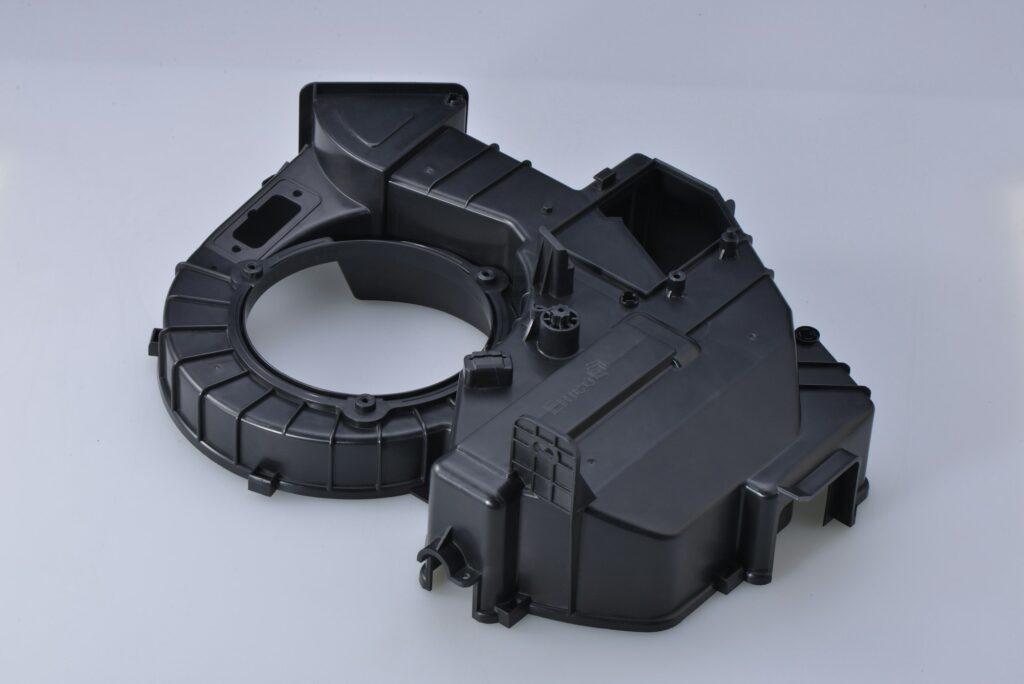
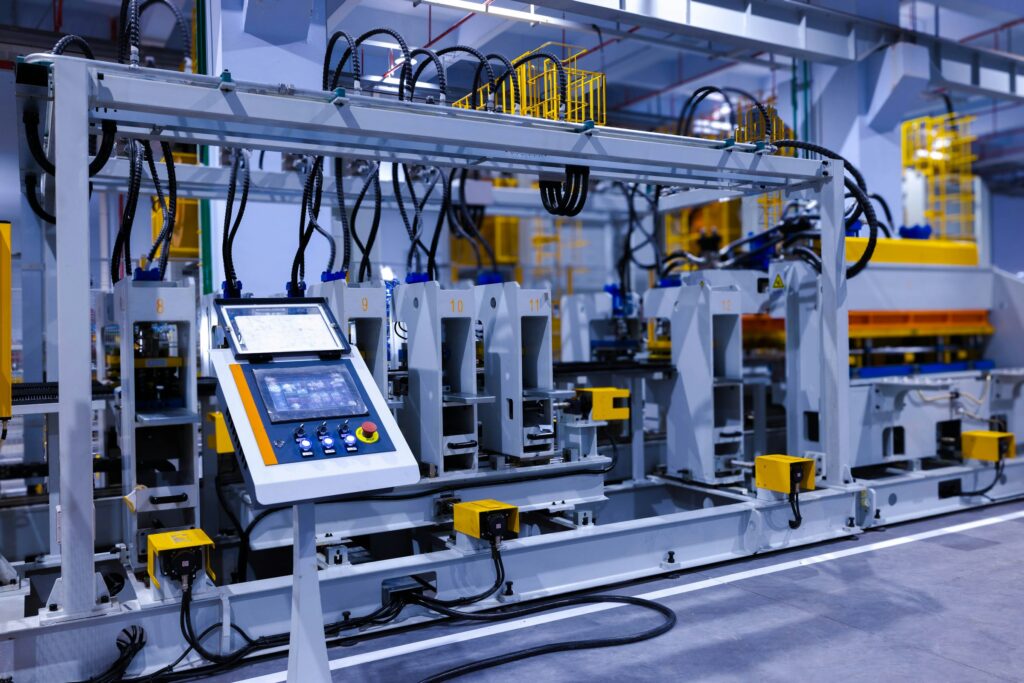
Injection molding melts thermoplastic pellets and injects them under high pressure into a machined steel or aluminum mold. It’s the standard process for plastic parts at volume, with fast cycle times, repeatable dimensions, and the widest choice of production resins, from ABS and polycarbonate to glass-filled nylon and acetal.
Best for: thousands to millions of parts where the design is stable.
Trade-offs: tooling cost and lead time. Steel production molds commonly cost from several thousand dollars to more than $100,000. Aluminum tools cost less and build faster, with a shorter life. Design changes after the tool is cut can be expensive, so DFM review before tooling matters. Our injection molding DFM guide covers what to check.
Insert molding
Insert molding is injection molding with a pre-made component placed in the mold before each shot. The plastic flows around the insert and locks it in place. Common inserts include threaded brass inserts, metal pins and contacts, bushings, and stamped brackets.
Best for: parts that need metal threads, electrical contacts, or reinforcement in plastic, especially where pressing or heat-staking inserts after molding would add labor or reduce pull-out strength.
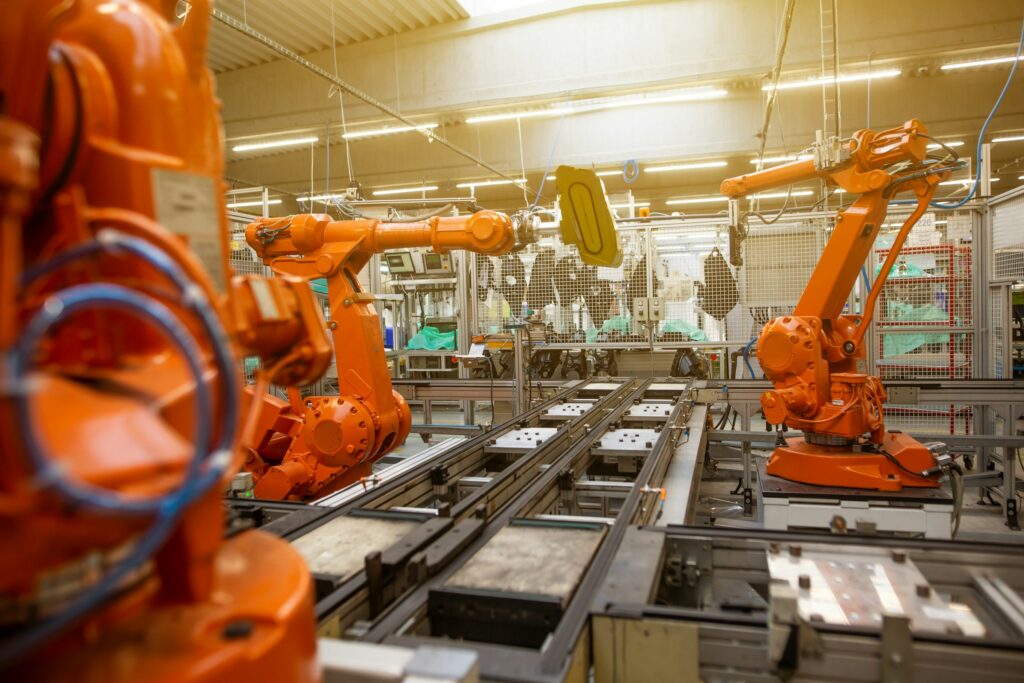
Trade-offs: inserts must be loaded every cycle, by hand or by robot, which adds cycle time. The mold needs features to locate and hold inserts. Insert dimensions need tight control so they seat correctly and don’t damage the tool. We compared insert molding with overmolding in Insert Molding vs. Overmolding: How to Choose.
Urethane casting
Urethane casting, also called vacuum casting, pours liquid polyurethane resin into a silicone mold made from a master pattern. The resins are formulated to imitate production plastics: ABS-like, polycarbonate-like, nylon-like, clear, and rubber-like grades in a range of hardness.
Best for: 10 to a few hundred parts, market testing, pilot builds, and bridge production while an injection mold is being built. Silicone molds cost a fraction of an injection mold, and parts can be ready in roughly two weeks.
Trade-offs: a standard silicone mold yields roughly 50 castings before it needs replacing, so cost per part stays relatively high. The materials imitate production resins but aren’t identical, which matters for regulatory, chemical, or long-term heat testing. Tolerances are looser than injection molding, and some mold materials shrink enough to affect tight features.
Side-by-side comparison
| Injection molding | Insert molding | Urethane casting | |
|---|---|---|---|
| Typical volume | Thousands to millions | Thousands to millions | About 10 to a few hundred |
| Tooling cost | Highest | Highest, plus insert handling | Low |
| Tooling lead time | Weeks (longer for steel) | Weeks (longer for steel) | Days |
| Cost per part | Lowest at volume | Low at volume | Highest |
| Materials | Production thermoplastics | Production thermoplastics plus metal inserts | Polyurethanes that imitate production plastics |
| Best use | Stable designs at volume | Parts needing threads, contacts, or reinforcement | Prototypes, pilots, bridge production |
How to choose
- How many parts do you need, now and over the product’s life? Under a few hundred points to urethane casting. Thousands and up points to injection molding.
- Is the design final? If changes are still likely, cast parts let you iterate without reworking steel.
- Does the part need production resin? Regulatory testing, chemical exposure, and long-term heat performance usually require the real material, which means molding.
- Does it need metal features? Threads, contacts, or reinforcement in plastic point to insert molding, or to post-mold inserts at low volume.
- What’s the launch timeline? Many programs cast parts for pilot builds while the injection mold is built, then switch.
That last pattern is common in commercial products and medical devices, where launch dates depend on having parts before production tooling is ready.
How PE sources plastic molding
PE coordinates urethane casting, injection molding, and insert molding through our injection molding network, so a part can move from cast prototypes to production molding with the same project manager. Our engineering team recommends the process for each stage based on quantity, material, and design maturity, and every part is inspected in San Clemente before it ships. We support commercial, medical, and industrial programs.
Frequently asked questions
Injection molding injects melted thermoplastic into a steel or aluminum mold and suits high volumes. Urethane casting pours liquid polyurethane into a silicone mold and suits low volumes with much lower tooling cost.
Insert molding molds plastic around a pre-placed component, such as a threaded insert, pin, or contact, so the part comes out of the mold with metal features already locked in.
When the design is stable and volume rises past a few hundred parts, or when testing requires production resin. Many programs use cast parts as a bridge while the injection mold is built.
Send us the drawings.
A real person will contact you within 24 hours.