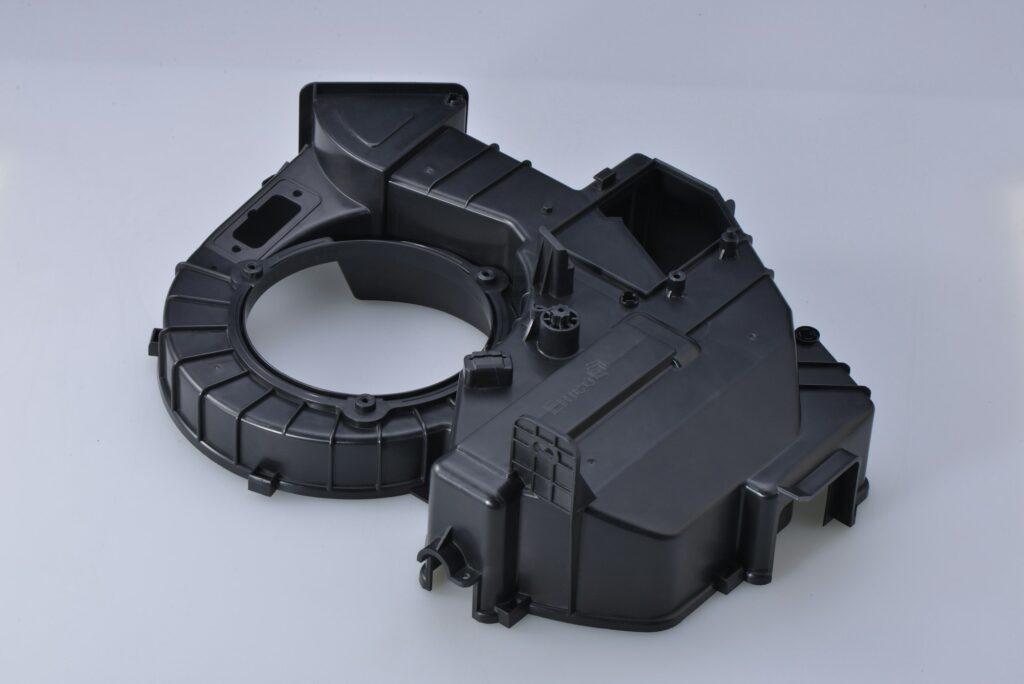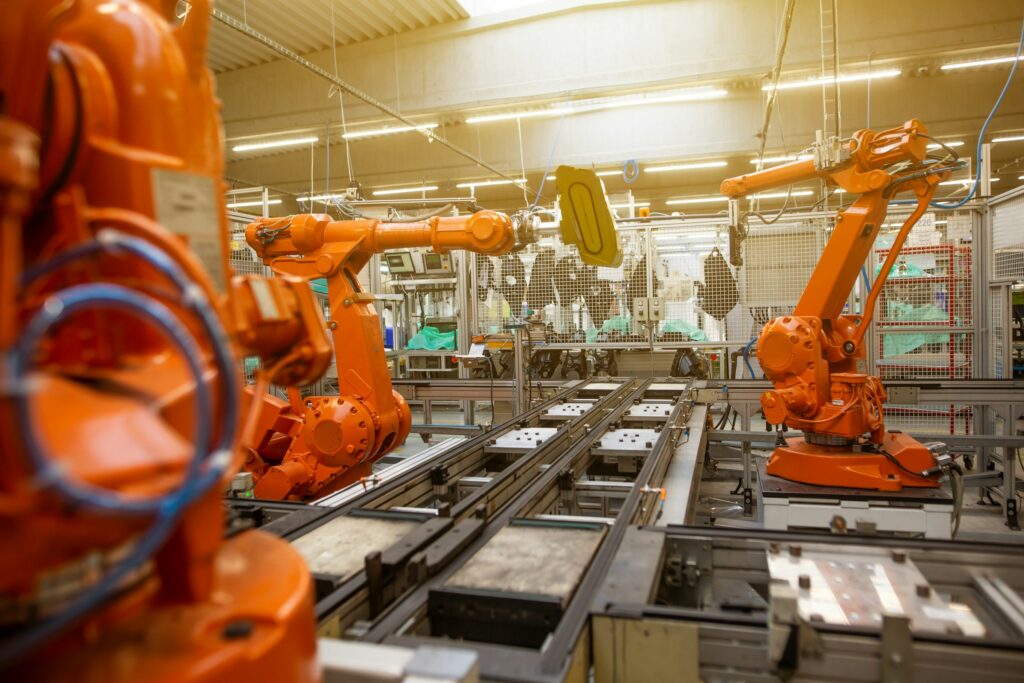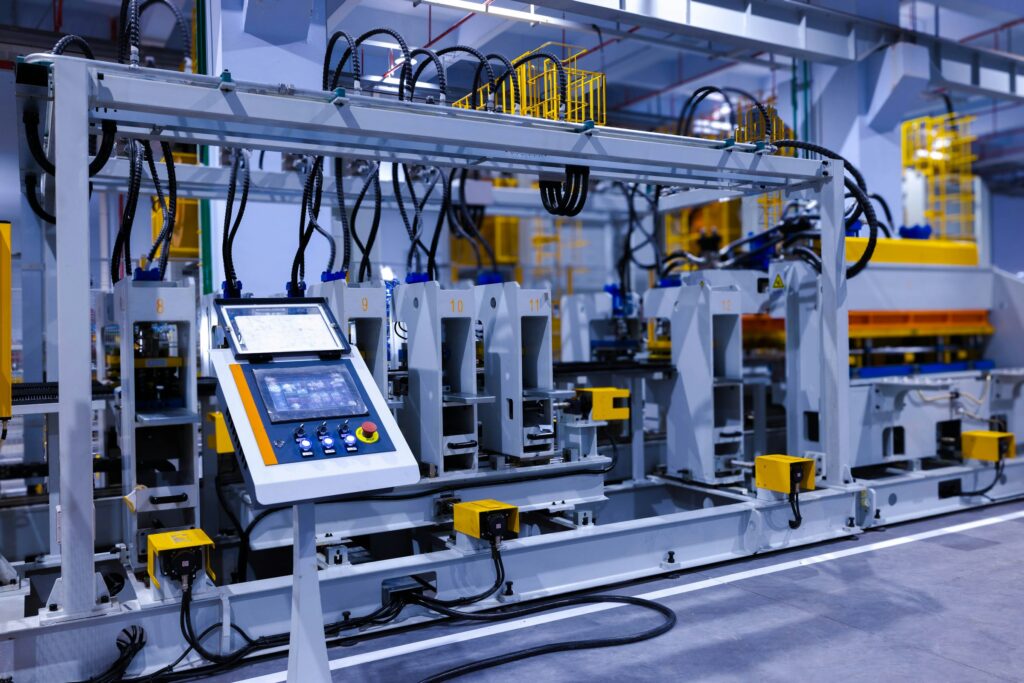
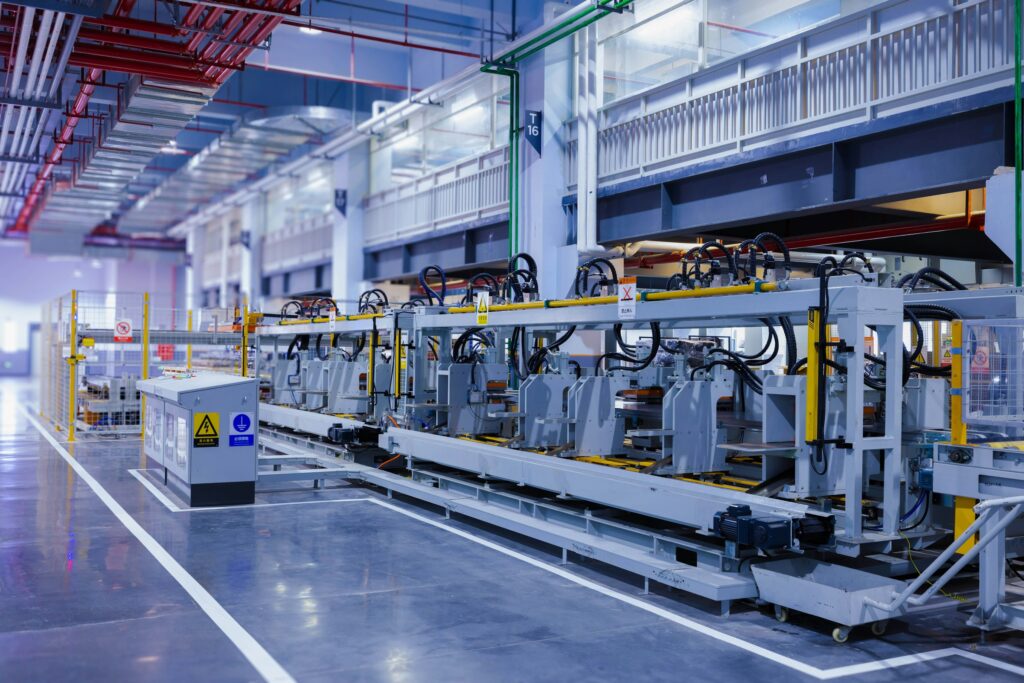
Choosing between injection molding companies usually starts with a quote comparison, and the quotes rarely compare cleanly. One includes a hardened steel tool and three rounds of adjustments. Another quotes an aluminum tool, a single T1 sample, and nothing about who pays if the parts flash. The tool is the most expensive line on the order and the hardest thing to undo, so the questions you ask before you pay for it matter more than the piece price.
These eight questions come from what we see go wrong most often when buyers source molded parts.
1. Who owns the tool, and where does it live?
You pay for the mold, but ownership terms vary. Get in writing that the tool belongs to you, where it will be stored, who maintains it, and what it takes to move it to another molder. Ask whether the tool is insured while it sits at the molder’s facility. A tool you own on paper but can’t retrieve is a supply risk, especially if the molder changes ownership or closes.
2. What mold class and tool material is quoted?
The Society of the Plastics Industry (now the Plastics Industry Association) mold classes give you a common way to compare tools by expected life:
| SPI class | Expected life | Typical use |
|---|---|---|
| 101 | 1,000,000+ cycles | Very high-volume production |
| 102 | Up to 1,000,000 cycles | Medium-to-high production, abrasive resins |
| 103 | Under 500,000 cycles | Medium production; common mid-priced tool |
| 104 | Under 100,000 cycles | Low production |
| 105 | 500 cycles or fewer | Prototype only |
Material drives a lot of that. Aluminum tools machine roughly three to ten times faster than steel, which cuts cost and lead time, and aluminum’s thermal conductivity simplifies cooling. Aluminum also wears faster, so it suits prototypes and bridge volumes. Pre-hardened P20 steel is a common production choice, and hardened steels like H13 hold a finer polish and resist wear from glass-filled resins. Match the class and steel to your lifetime volume, not just the first order. A tool quoted for 50,000 shots on a part you’ll buy for five years is a second tool you haven’t budgeted yet.
3. How many cavities, and why?
A single-cavity tool costs less to build. A multi-cavity tool lowers piece price at volume. A family mold makes several different parts in one shot, which saves tooling cost but can make balancing fill and cosmetics harder. Ask the molder to show the math: tool cost, cycle time, and piece price at your annual volume for each option.
4. Is DFM review included before steel is cut?
Most molding problems are designed in. Uneven wall thickness causes sink and warp. Missing draft makes parts stick. Undercuts add side actions and cost. A good molder sends a DFM report with draft, wall, gate location, and parting line callouts before cutting the tool, and waits for your sign-off. Our guides to injection molding DFM and designing for undercuts cover what that report should catch.
5. What happens at T1, and how many adjustments are included?
T1 is the first shot off the new tool. It rarely produces final parts. Ask how many samples you get, whether they come with a dimensional report, and how many rounds of tool adjustment (T2, T3) are included in the quote. Steel-safe dimensions, where the toolmaker leaves extra steel so critical features can be machined to size after sampling, are a sign the molder has done this before.
6. Which resin, and who approves a substitution?
Specify the exact grade, not just “ABS” or “nylon.” Ask how the molder dries hygroscopic resins like nylon and PC, whether regrind is allowed and at what percentage, and whether any substitution needs your written approval. A resin swap that saves the molder money can change shrink, strength, or color without anyone telling you.
7. Who pays when parts come out wrong?
Flash, short shots, sink, and warp happen. The question is whether the fix is a process change, a tool change, or a design change, and who pays for each. Get the defect and rework terms in writing before the tool is built, along with the expected tool maintenance schedule.
8. What inspection and documentation come with the parts?
Ask what gets measured on first articles and production lots, and what paperwork ships with the parts: material certs, a first article inspection report, and for automotive programs, PPAP at the level your customer requires. If parts need secondary operations like inserts, pad printing, or ultrasonic welding, ask where those happen and who inspects after them.
Reading the answers
A molder that answers all eight quickly, with numbers and names, runs a disciplined shop. Vague answers on tool ownership or defect responsibility usually mean those terms will be set after a problem, when you have the least leverage. The cheapest tool on the comparison sheet is often the one with the most items left out.
How PE sources injection molded parts
PE’s injection molding work runs through vetted molders in our network, chosen for the tool class, resin, and part size each job needs. Our engineering team reviews every part for moldability before tooling is quoted, and we document tool ownership, resin, and acceptance criteria up front. One project manager carries the job from tool kickoff through T1, adjustments, and production, for programs from commercial products to medical devices.
Frequently asked questions
Clear tool ownership terms, a mold class and steel matched to your lifetime volume, a DFM review before tooling, defined T1 and adjustment rounds, resin control, and documented inspection.
It depends on the mold class and material. SPI Class 101 tools are built for a million or more cycles, while Class 104 tools are rated under 100,000 and Class 105 prototype tools for 500 or fewer.
Aluminum is faster and cheaper to build and works well for prototypes and lower volumes. Steel lasts longer, holds a better polish, and stands up to abrasive glass-filled resins at production volumes.
Send us the drawings.
A real person will contact you within 24 hours.