We’re Not Picking a Country. We’re Picking the Right Shop.

Reshoring is everywhere right now.
Tariffs, years of highly visible supply-chain disruptions, and growing concern about where critical parts come from have pushed more companies to reconsider their manufacturing sourcing strategies.
But at Precision Expedited, we often hear a more important question:
Not just where should this part be made—but who should be making it?
Reshoring Investment Is Rising. So Are Manufacturing Imports.
Here is the part that does not make the reshoring headlines.
According to Kearney’s 2026 Reshoring Index, U.S. imports of manufactured goods increased 4.6% in 2025 and reached a four-year high—despite tariffs and record levels of investment in domestic manufacturing.
Companies are spending heavily to bring production home while continuing to purchase more manufactured goods from overseas.
At first glance, those trends should be moving in opposite directions.
They are not.
That gap reveals an important reality: deciding to reshore and building a domestic supply chain that actually works are two different events.
A company can announce a reshoring initiative, invest real money in domestic capacity, and still be sourcing parts overseas a year later.
Why?
Because qualifying a new domestic manufacturing supplier takes time. The supplier has to demonstrate that it can:
- Hold the required tolerances
- Meet quality and inspection requirements
- Provide the necessary capacity
- Deliver consistently
- Support the right materials and processes
- Respond when something changes
The location decision can happen quickly. Building a dependable manufacturing supply chain rarely does.
Moving Production Does Not Automatically Fix the Problem
Moving production is ultimately a change of address.
An address does not tell you who is managing the job, how well the shop understands the drawing, whether it can maintain your tolerances, or what happens when the schedule changes.
You can bring manufacturing back to the United States and still experience:
- Late shipments
- Missed tolerances
- Inconsistent quality
- Poor communication
- Multiple suppliers blaming one another when something goes wrong
New country. Same headache.
Those problems come down to the manufacturing partner—not merely the postal code.
The Best Manufacturing Location Depends on the Part
Precision Expedited is based in San Clemente, California. Our team and our inspection operation are here.
But we did not build our manufacturing network by limiting it to one country.
Some of our strongest supplier relationships are overseas. They were developed through years of real production work, quality verification, communication, and consistent performance—not assembled the week a customer needed an emergency quote.
Where a part should be manufactured depends on the part, the program, and the requirements.
ITAR-controlled manufacturing stays in the United States. No exceptions.
Other parts may make more sense overseas because of cost, process availability, production volume, or capacity. Many manufacturing programs use a combination of domestic and international suppliers.
The challenge is managing all of it as one coordinated program instead of handing the customer off among several disconnected shops.
Reshoring Solves Geography—not Supplier Performance.
That is what many reshoring conversations overlook.
Bringing production home may reduce certain geopolitical, transportation, or compliance risks. But geography alone does not determine:
- Which shop is best suited for the process
- Which supplier has the available capacity
- Which parts truly need to move
- Whether the supplier can meet the tolerance
- Whether the deadline is realistic
- Who takes responsibility from quote through delivery
A successful reshoring strategy begins with the requirements of the part—not a blanket rule about where every component must be produced.
Start With the Drawing
Send us the drawing.
Before we ask where the part should be manufactured, we ask what matters:
What cannot slip?
Which tolerances are truly critical?
What inspection documentation is required?
What is the actual deadline—not simply the date printed on the purchase order?
Then we place the work, domestically or overseas, with a manufacturing shop that has earned it.
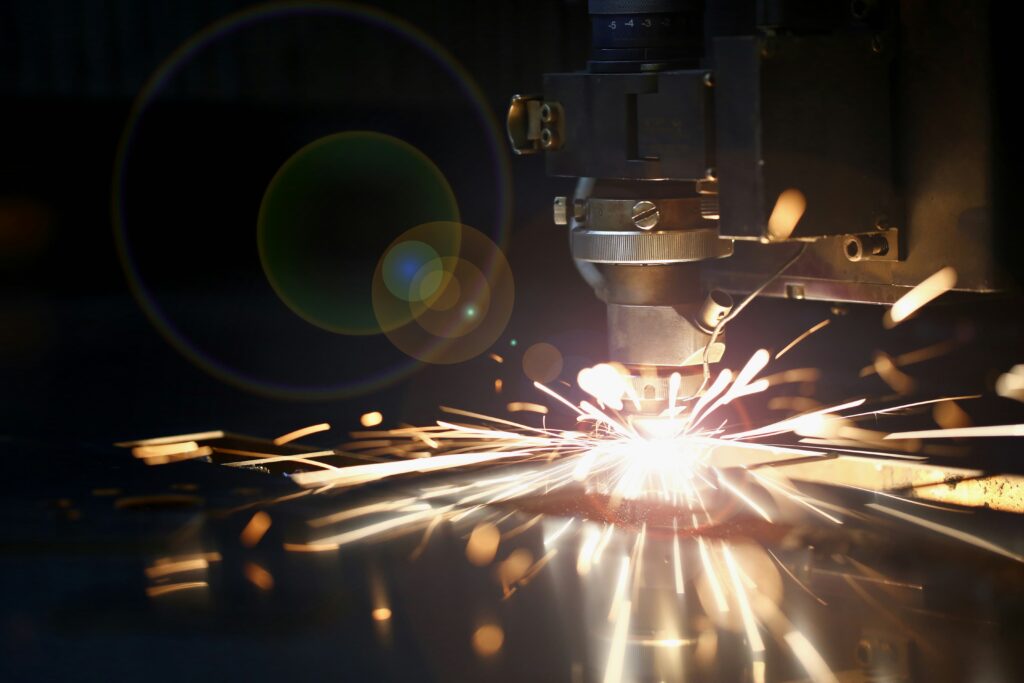
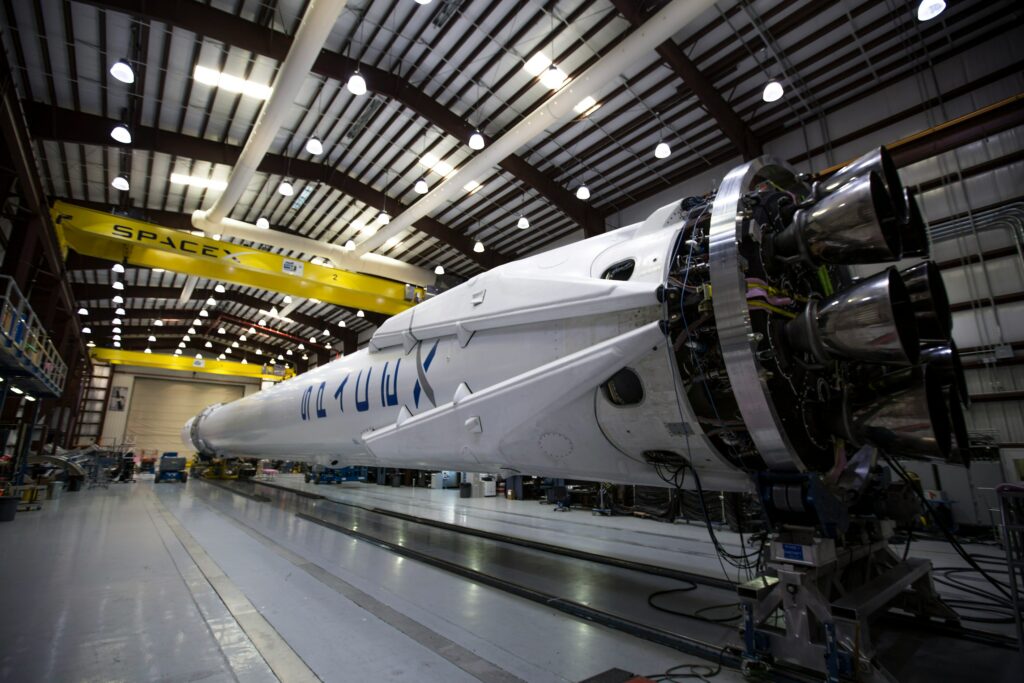
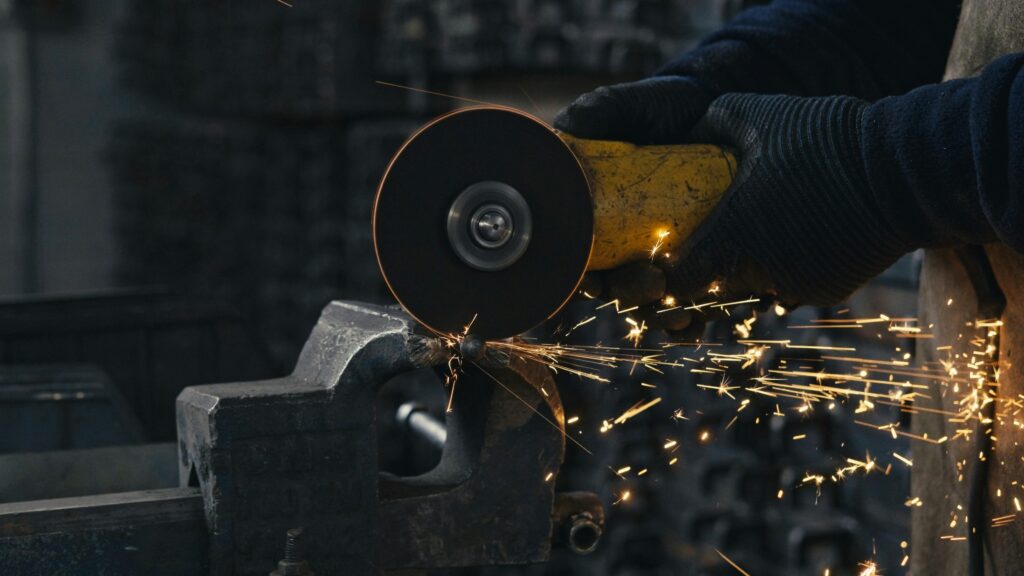
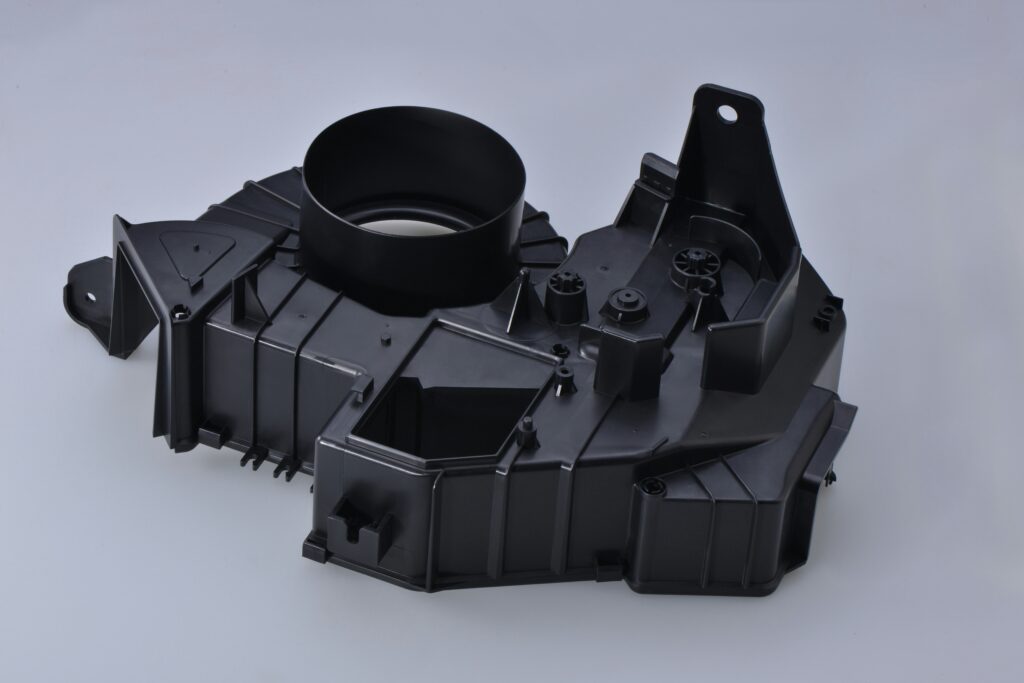
Precision Expedited provides one point of contact from RFQ through delivery across CNC machining, sheet metal fabrication, injection molding, additive manufacturing, finishing, and multi-process manufacturing programs.
ITAR registered. One point of contact from quote to delivery.
Send us your files and receive a quote within 24 hours.