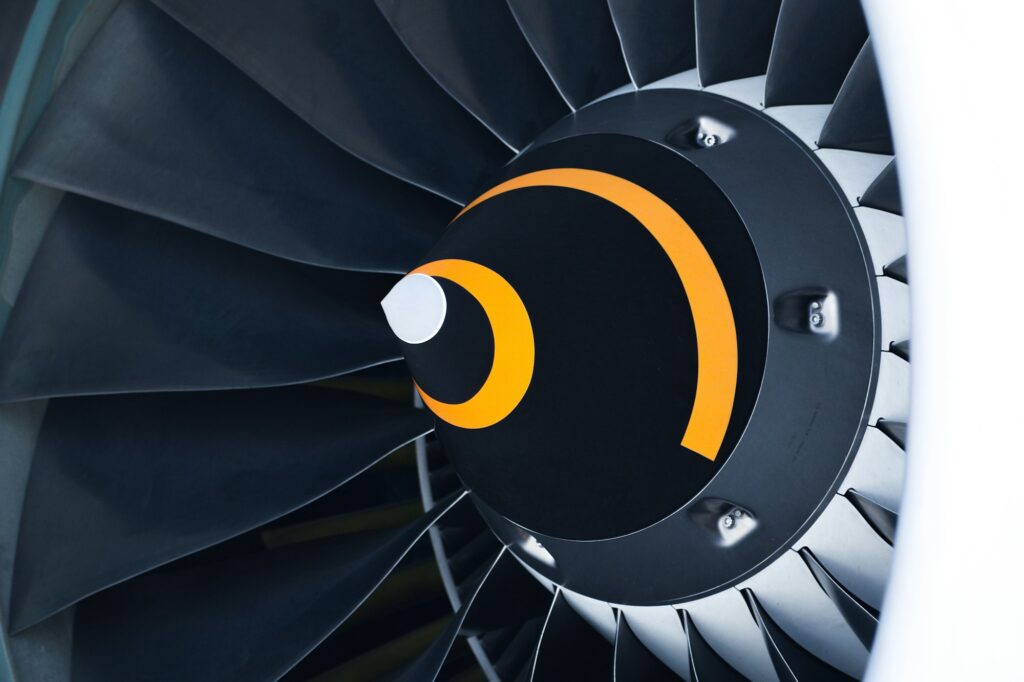
Inconel 718 is the nickel superalloy engineers reach for when a part has to stay strong at temperatures that would soften steel and titanium. It’s in jet engine cases and shafts, rocket engine hardware, high-temperature fasteners, and a growing number of advanced energy components. The same properties that make it valuable in service make it one of the hardest metals to machine. Inconel 718 parts often cost several times more than the same geometry in stainless steel, and most of that cost is decided on the drawing.
This guide covers what Inconel 718 is, why it’s so tough to cut, and the design and sourcing choices that keep CNC machined Inconel parts on budget and on schedule.
What Inconel 718 is
Inconel 718 (UNS N07718) is a precipitation-hardenable nickel-chromium alloy with significant iron, niobium, and molybdenum. “Inconel” is a trade name, and you’ll also see it called Alloy 718 or simply 718. Its key properties:
- High strength at temperature. It keeps useful strength up to roughly 1,200 to 1,300°F (650 to 700°C), well beyond the limits of aluminum and titanium.
- Strength at cryogenic temperatures. It stays tough in the cold, which is why it shows up in rocket propulsion and cryogenic hardware.
- Corrosion and oxidation resistance. It holds up in hot, oxidizing, and many corrosive environments.
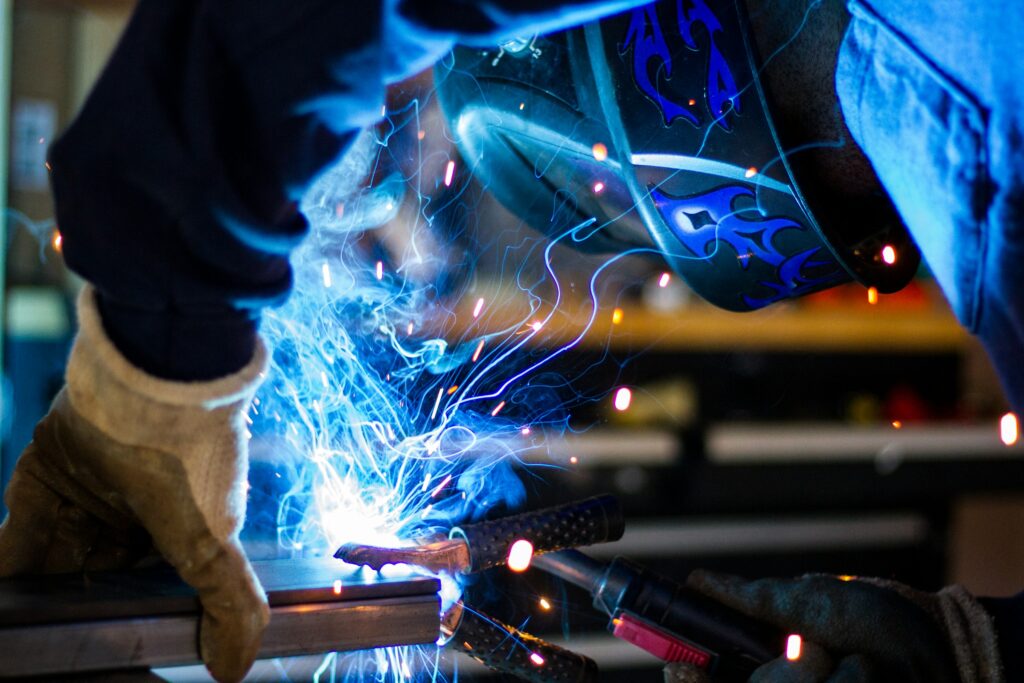
- Weldability. Unlike many superalloys, 718 ages slowly enough to be welded without immediate cracking, which makes it practical for fabricated assemblies.
Where it’s used
- Propulsion and engine components: cases, shafts, rings, and fasteners.
- Space and missile defense hardware that sees extreme heat or cryogenic propellants.
- Fusion energy and other high-temperature energy systems.
- Oil and gas tools, high-temperature springs, and fasteners.
The two conditions: AMS 5662 and AMS 5663
Most Inconel 718 bar and forgings are bought to one of two aerospace specs:
- AMS 5662: solution treated. Softer, roughly 20s HRC, and easier to rough machine. The part must be age hardened after machining to reach full strength.
- AMS 5663: solution treated and aged. Full strength, often in the high 30s to mid 40s HRC. Harder on tools, but no heat treatment after machining.
This choice affects both cost and accuracy. Machining in the softer condition saves tool life, but aging afterward can cause small distortion, so tight features may need finish machining after heat treat. A common approach is to rough in the solution-treated condition, age, then finish. If your drawing doesn’t specify the condition, ask your supplier how they plan to handle it. It changes the quote.
Why Inconel 718 is so hard to machine
- It work hardens. The surface hardens as it’s cut. If a tool rubs instead of cutting, or dwells in one spot, the next pass hits harder material. Toolpaths have to keep a steady, positive chip load.
- Heat stays at the cutting edge. Inconel conducts heat poorly, about a fifth as well as carbon steel, so heat concentrates at the tool tip instead of leaving with the chip.
- It stays strong when hot. The property you want in service is the one that fights the cutter. Most metals soften at the cutting zone. 718 doesn’t, which drives high cutting forces.
- Abrasive carbides. Hard particles in the microstructure wear tool edges quickly.
The result is slow cutting. Carbide tools typically run Inconel 718 at a small fraction of the speeds used on aluminum or even stainless steel, with frequent tool changes. Ceramic inserts can rough at higher speeds on rigid machines. Either way, cycle times are long, tools are a real line item, and the shop needs rigid machines, high-pressure coolant, and programmers who know the alloy.
Design choices that lower Inconel 718 cost
- Start near net shape. Every cubic inch removed costs time and tooling. Forgings, rings, or castings near the final shape can save more than any machining trick. Ask early, because forgings have long lead times.
- Open up inside corner radii. Larger radii allow larger, stiffer tools. Small radii in deep pockets are one of the biggest cost drivers in 718.
- Avoid deep, narrow features. Long-reach tools chatter and break in Inconel. Shallower pockets and wider slots machine faster.
- Use wire EDM where it fits. Hardness doesn’t slow EDM down the way it slows milling, so small slots and sharp inside features can be cheaper by EDM. See our wire EDM design guide.
- Tolerance only what matters. Tight tolerances on non-functional features add finish passes in a material where every pass is expensive.
- Specify thread forms carefully. Tapping Inconel is slow and taps break. Thread milling is often more reliable for critical threads.
Lead time: where the weeks go
Machining time is only part of an Inconel schedule. Material can be the long pole: certified 718 bar is usually available, but specific sizes, forgings, and AMS 5663 stock can take weeks to months. Heat treatment adds a step with its own queue. Many aerospace programs also require special processes from approved sources, such as fluorescent penetrant inspection, and documentation like material certs and first article inspection. Planning those steps at the quote stage is the best way to protect the delivery date.
Inconel 718 vs. titanium and stainless
- Titanium (Ti-6Al-4V) is lighter and easier to machine, but loses strength above roughly 750°F. Above that, 718 is usually the answer. Our aluminum vs. titanium guide covers titanium’s limits.
- Stainless steels like 17-4 PH cost less and machine more easily, but can’t match 718 at high temperature.
- Inconel 625 is a non-hardenable cousin with excellent corrosion resistance and lower strength. It’s common for corrosive service rather than high-stress hot parts. Our corrosion-resistant alloys guide compares more options.
How PE sources Inconel 718 parts
Inconel work goes only to shops in our network with proven nickel alloy experience for aerospace, defense, and energy programs. We review the drawing for condition, cost-driving features, and heat treat sequence before quoting, coordinate material, heat treatment, and post-processing, and flow down your quality requirements under our AS9100D Compliant quality system. ITAR Registered and NIST 800-171 Compliant handling is available for controlled programs. See our certifications and compliance page for details.
Frequently asked questions
It work hardens, holds its strength at cutting temperatures, and conducts heat poorly. That forces slow cutting speeds, causes fast tool wear, and requires rigid machines and experienced programmers.
AMS 5662 is solution treated and softer, so it machines more easily but needs aging afterward. AMS 5663 is solution treated and aged to full strength before machining.
It keeps useful strength up to roughly 1,200 to 1,300°F (650 to 700°C), and performs well at cryogenic temperatures.
Yes. It’s one of the more weldable nickel superalloys because it age hardens slowly, which reduces cracking during welding.
Send us the drawings.
A real person will contact you within 24 hours.
Turbine and generator hardware runs into the same cost drivers, which is why our power generation parts work starts with heat treat and material callouts.