
Services
Search
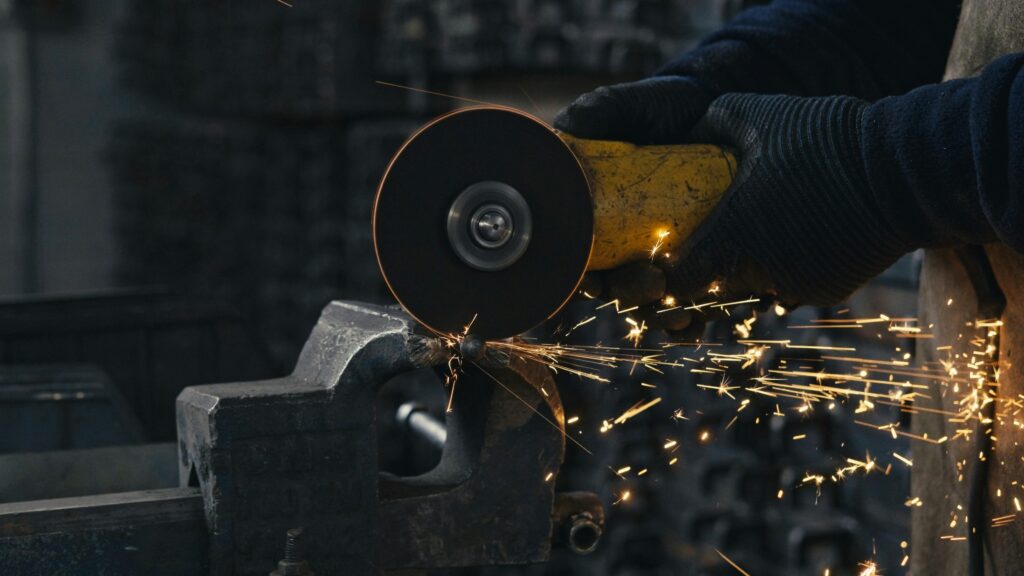
Sheet metal design guide
A sheet metal design guide is only useful if it changes what happens before the drawing gets released, not after. Most of the cost, lead time, and rework risk in…
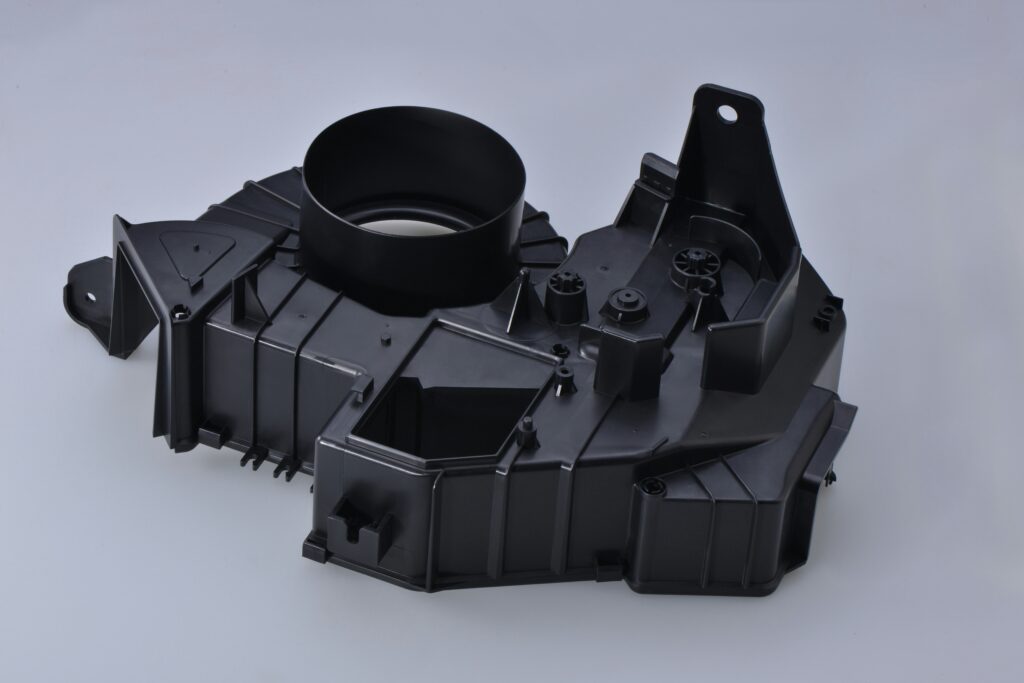
Insert Molding vs Overmolding: How to Choose for Your Part
Insert molding and overmolding get used interchangeably on RFQs, and the quote that comes back is built on assumptions the engineer never intended. Insert molding places a preformed component, usually…
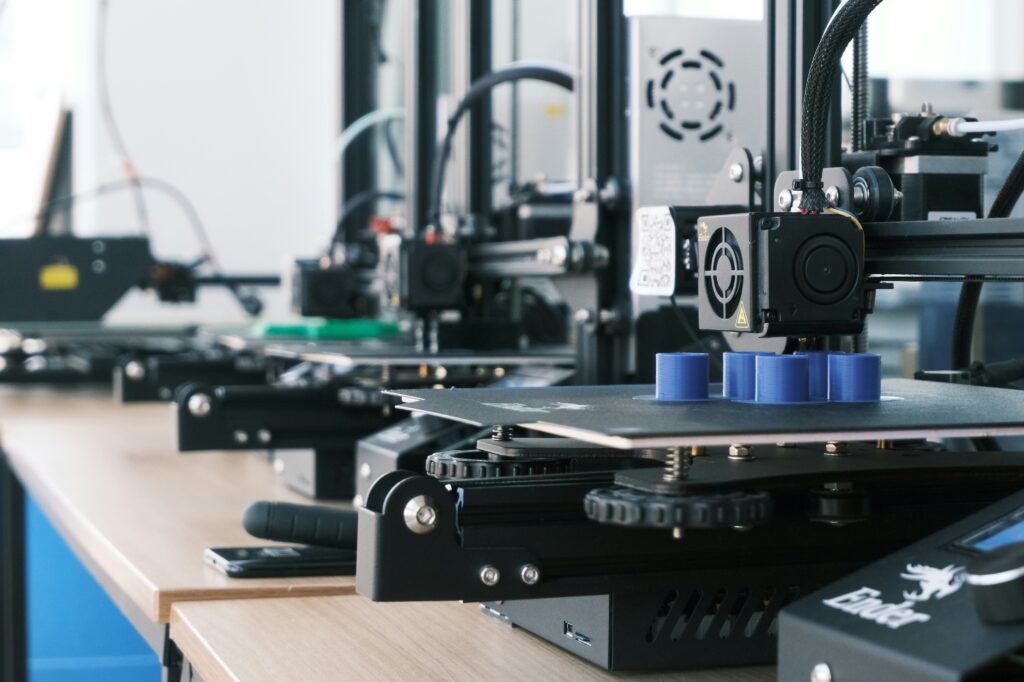
3D Printing Tolerances: What to Actually Expect
A CAD model is dimensionally perfect. A printed part never is. The gap between the two is tolerance, and it’s the single most common reason a first-run 3D printed part…
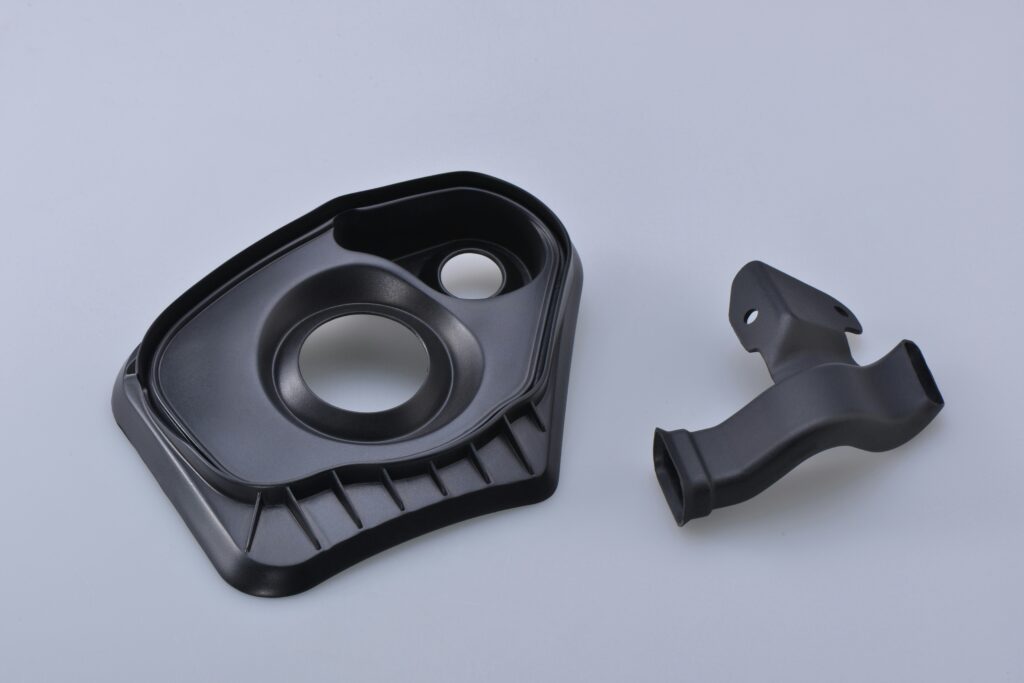
Designing for Undercuts: When They Work and When They Don’t
Every injection mold opens along a single straight line, called the line of draw. Any feature that blocks the part from releasing along that line, a side hole, a snap-fit…

Living Hinge Design: What to Know Before You Mold or Print One
A living hinge is the cheapest moving joint you can put in a plastic part. No pin, no fastener, no assembly step, just a thin section of the same material…
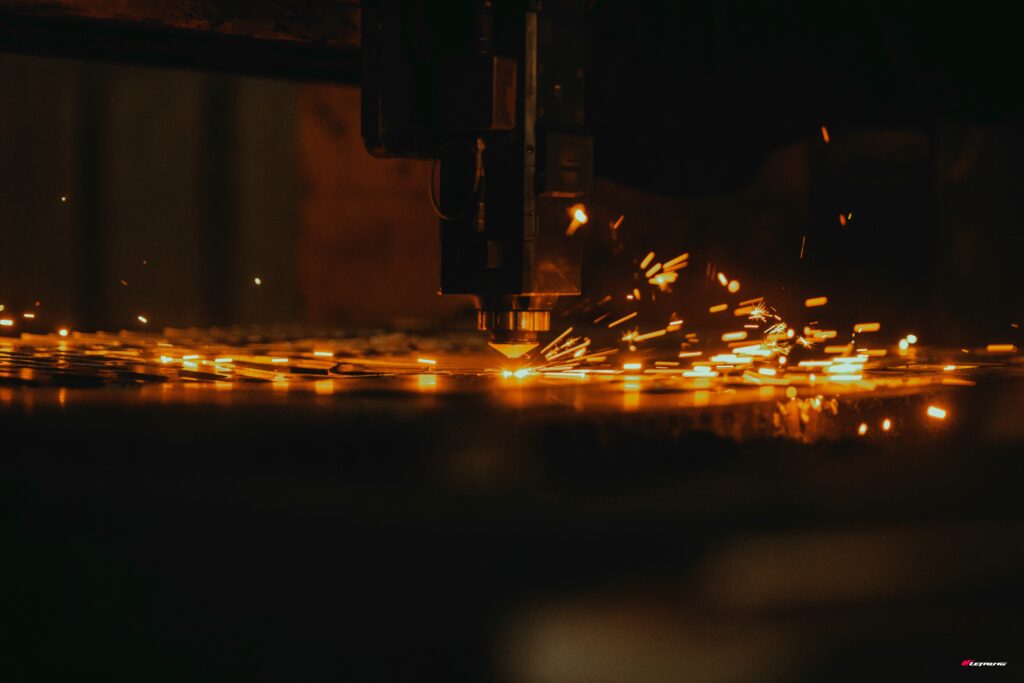
The DFM Review a Portal Never Runs
Upload a file to a quoting portal and you’ll usually get a DFM flag or two back in seconds. That’s real, and it’s useful. It’s also a fraction of what…
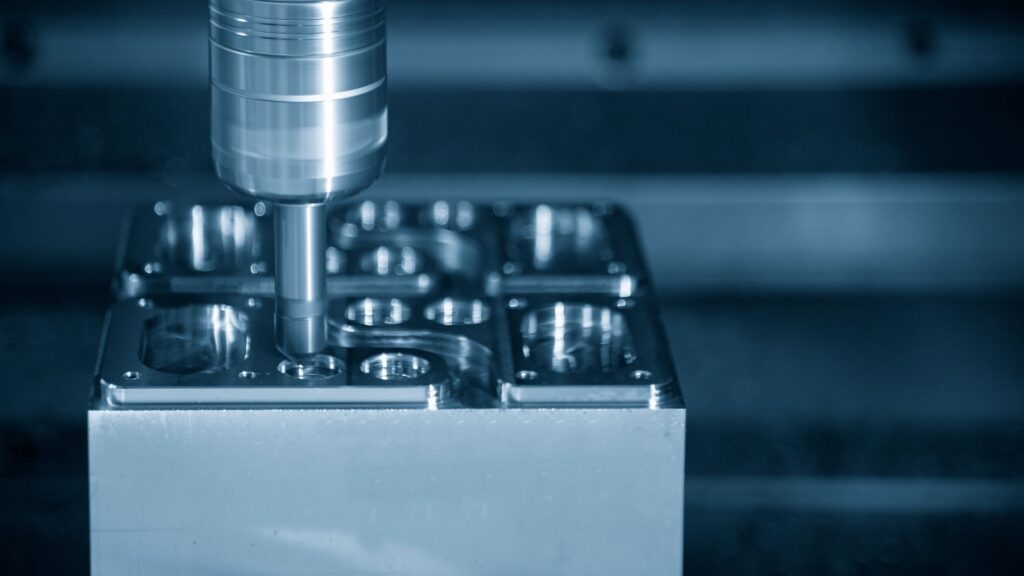
Fillet vs. Chamfer: When to Use Each in CNC Design
Every internal or external corner on a CNC-machined part needs a decision: fillet or chamfer. It looks like a cosmetic choice. It isn’t. The fillet vs. chamfer decision affects machining…

Capacity Doesn’t Show Up on a Vendor’s Website
A shop can list five-axis CNC, wire EDM, and anodizing on its capability page. It can still be three weeks out on any new job. Capability and capacity are not…