Mild steel and stainless steel are the two metals we see most on fabricated brackets, frames, enclosures, and weldments. They look similar on a drawing and behave very differently on the shop floor. Mild steel is cheaper, easier to cut, bend, weld, and machine, and it rusts. Stainless resists corrosion on its own, costs more, and is harder on tools and fabricators. Picking the wrong one usually shows up as either rust in the field or a quote that’s higher than it needed to be.
This guide compares the grades that come up most in sheet metal fabrication and CNC machining: 1018 and A36 mild steel, and 304 and 316 stainless steel.
What “mild steel” means
Mild steel is low-carbon steel, typically under about 0.25% carbon. The low carbon content makes it ductile, easy to form, and easy to weld. The grades you’ll see most:
- A36 is a structural steel used for plate, bar, and shapes. It’s the default for frames, base plates, and heavy weldments.
- 1018 is common for machined parts. Cold-drawn 1018 bar has a good surface finish, tight size control, and better strength than hot-rolled.
- Cold-rolled and hot-rolled sheet (such as 1008/1010 CRS and HRPO) are the workhorses for formed sheet metal parts and enclosures.
What makes stainless “stainless”
Stainless steel contains at least about 10.5% chromium, which forms a thin, self-healing oxide layer that protects the surface. The two grades that cover most fabricated parts:
- 304 is the general-purpose grade, with good corrosion resistance in most indoor and outdoor environments.
- 316 adds molybdenum, which improves resistance to chlorides. It’s the choice for salt spray, marine hardware, and many chemical and medical applications.
Side-by-side comparison
| Property | 1018 / A36 mild steel | 304 stainless | 316 stainless |
|---|---|---|---|
| Corrosion resistance | Poor without coating | Good | Very good, especially vs. chlorides |
| Typical yield strength | about 36 ksi (A36) to 54 ksi (cold-drawn 1018) | about 30 ksi (annealed) | about 30 ksi (annealed) |
| Machinability | Good | Fair (work hardens) | Fair to poor |
| Formability | Excellent | Good, more springback | Good, more springback |
| Weldability | Excellent | Good, more distortion | Good, more distortion |
| Magnetic | Yes | Generally no when annealed | Generally no when annealed |
| Finish needed | Usually yes | Often none | Often none |
| Relative material cost | Low | Several times mild steel | Higher than 304 |
Values are typical published figures and vary by product form and condition. Check the material spec for design values.
Strength: closer than most people expect
Annealed 304 and 316 actually have lower yield strength than cold-drawn 1018. Stainless has a higher tensile strength and work hardens as it’s formed, but if your part is sized by yield, mild steel isn’t the weaker choice. Don’t switch to stainless for strength. Switch for corrosion, cleanliness, or appearance.
Corrosion and finishing: the real cost comparison
Bare mild steel will rust, so most mild steel parts get a finish: powder coat, paint, zinc plating, or galvanizing. That finish adds cost, lead time, and one more process to manage. Stainless often ships with no coating at all, or with passivation to restore the oxide layer after fabrication.
So the honest comparison is total cost, not material cost. A powder-coated mild steel enclosure is usually cheaper than bare stainless for an indoor industrial environment. A part that sits outdoors, gets washed down, or sees salt spray may be cheaper over its life in stainless, because a scratched coating on mild steel starts rusting right away. Our finishing team can price both paths. For harsher environments, our corrosion-resistant alloys guide goes beyond 316.
Fabrication differences that change your quote
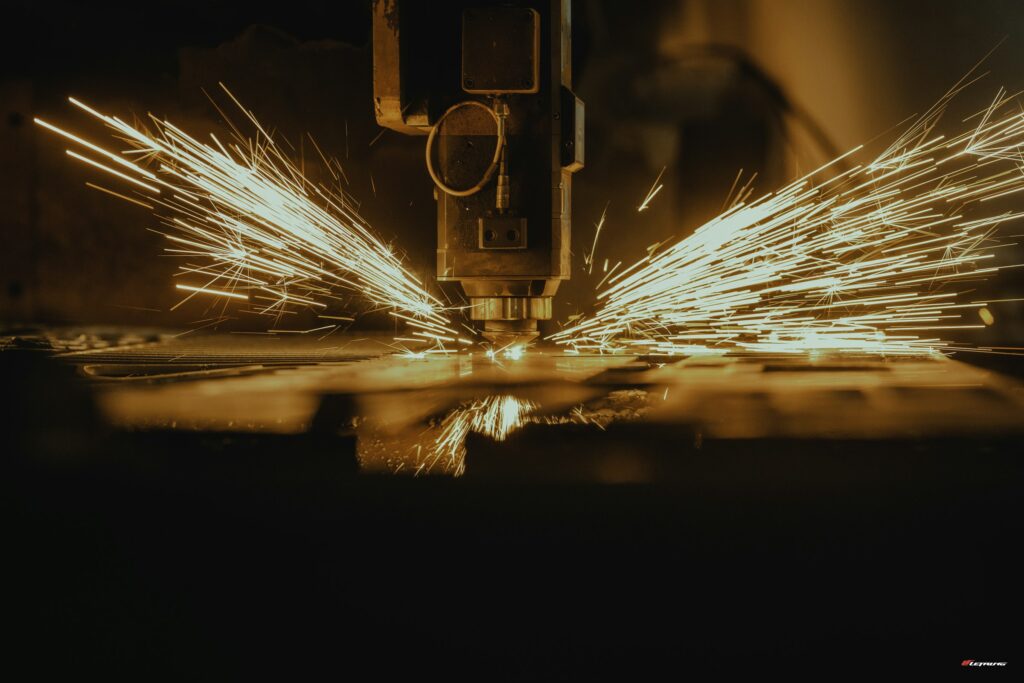
- Cutting. Both laser cut well. Stainless is usually cut with nitrogen assist for a clean, oxide-free edge, which runs slower and costs more on thicker material. See our laser cutting design tips.
- Bending. Stainless springs back more and needs more press brake tonnage. Bend radii and flange lengths that work in mild steel may need adjusting. Our sheet metal design guide covers minimum bend radius and flange rules.
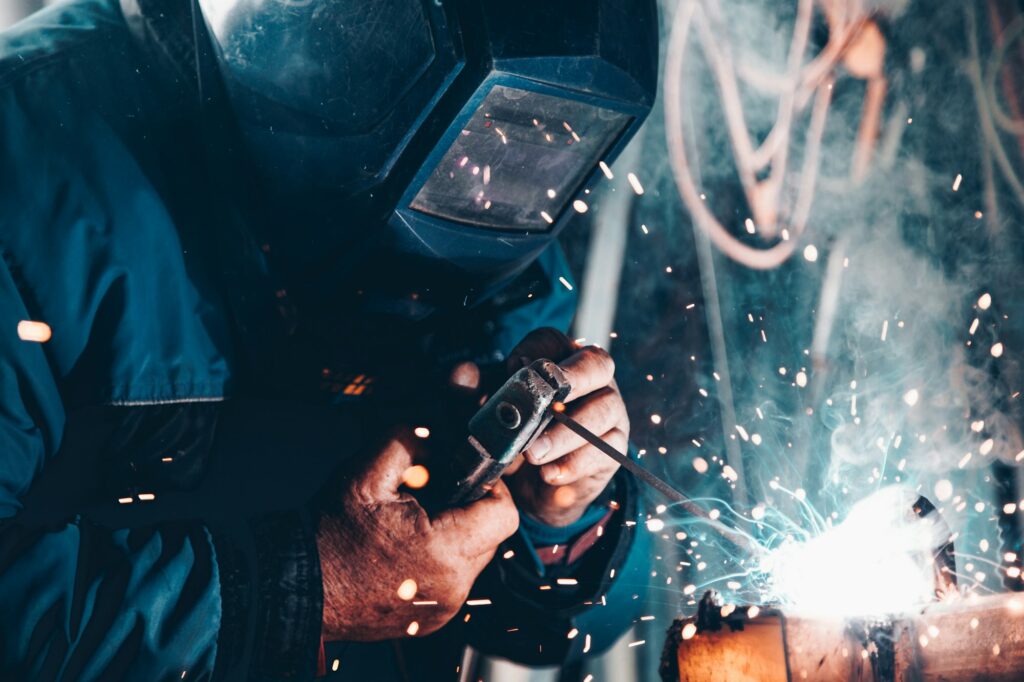
- Welding. Mild steel is the easiest metal to weld. Stainless conducts heat poorly and expands more, so it distorts more. Welds on stainless also need cleaning and often passivation to restore corrosion resistance.
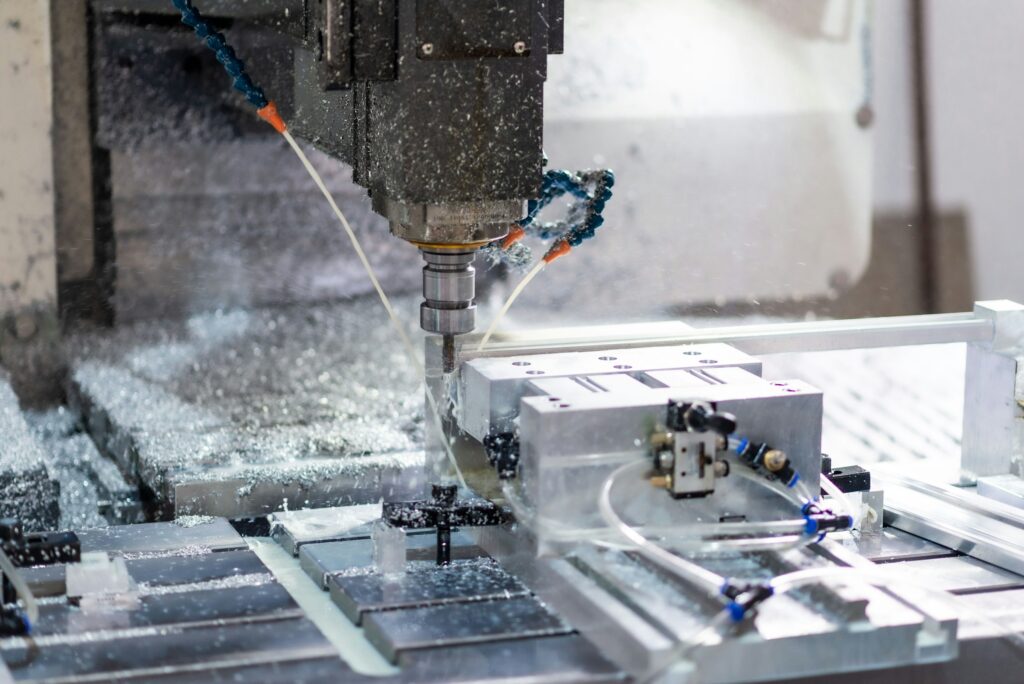
- Machining. 304 and 316 work harden, which means slower speeds and more tool wear. Machined stainless parts typically take longer than the same part in 1018. If a part needs heavy machining and stainless, 303 is a free-machining option with somewhat lower corrosion resistance.
- Contamination. Stainless can rust if it picks up iron particles from tools or shops that also work carbon steel. Good shops keep stainless tooling and work areas separate.
How to decide
- Choose mild steel for indoor frames, brackets, base plates, enclosures, and heavy weldments where a coating is acceptable and cost matters most.
- Choose 304 for parts exposed to moisture or cleaning, food and lab equipment, and parts where you want to skip coating.
- Choose 316 for marine, salt spray, chlorides, many chemicals, and outdoor equipment near the coast.
Liquid cooling hardware is a good example of the tradeoff. Many data center liquid cooling frames are coated mild steel, while wetted parts that touch coolant are often stainless. The same split shows up in advanced energy equipment.
How to call out the material
- Name the grade and spec, for example “A36 per ASTM A36” or “304 per ASTM A240.” Writing just “stainless” or “steel” leaves the choice to the shop.
- Specify the finish, such as “black powder coat” or “passivate per ASTM A967.”
- For stainless sheet, call out the surface finish if appearance matters, such as #4 brushed or 2B mill.
- Note whether material certifications are required.
How PE sources mild steel and stainless parts
PE’s network includes fabrication shops that run mild steel and stainless every day, from laser-cut sheet metal to large structural weldments. We review your drawing for grade, finish, and bend details, match the job to a shop set up for that material, and manage finishing through one point of contact. Our sheet metal fabrication process guide walks through each step.
Frequently asked questions
Not always. Annealed 304 and 316 have a higher tensile strength but a lower yield strength than cold-drawn 1018. Stainless is chosen for corrosion resistance, not strength.
Both are mild steels. A36 is a structural spec for plate and shapes with a 36 ksi minimum yield. 1018 is a chemistry grade common for bar and machined parts, often supplied cold-drawn for better finish and strength.
For almost any part that will see moisture, yes. Powder coating, painting, plating, or galvanizing are common options.
Austenitic stainless steels like 304 and 316 work harden as they’re cut, conduct heat poorly, and are tough, which slows cutting speeds and wears tools faster.
Send us the drawings.
A real person will contact you within 24 hours.