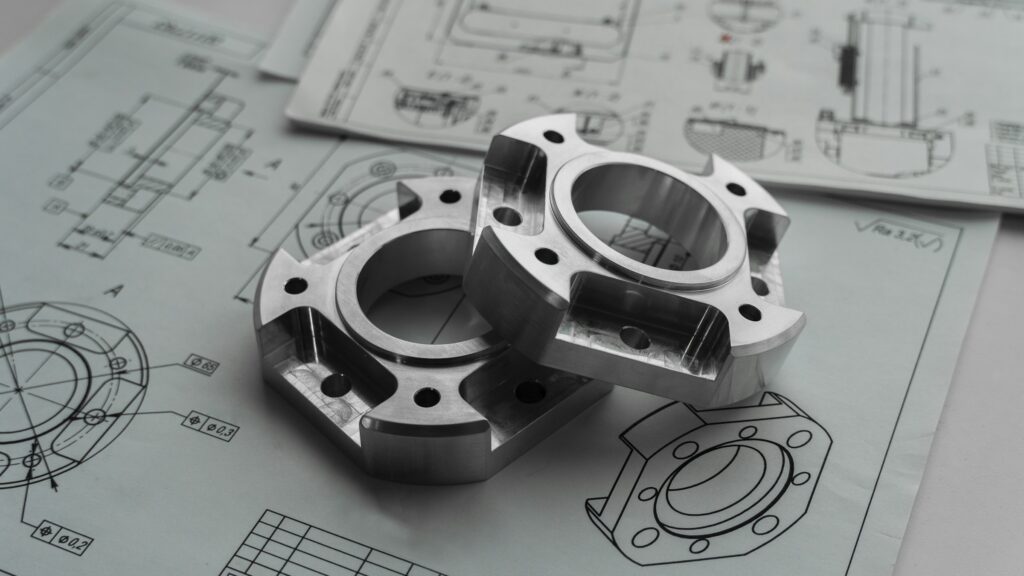
A machined bracket for a surgical tool and a machined bracket for a conveyor can share the same material, tolerances, and machine. The difference is everything around the part: where the material came from, who checked it, how the process was proven, and what happens when anything changes. That’s what medical machining and medical injection molding are really about, and it’s where many device programs run into supplier problems.
This guide covers what changes when parts are made for medical devices, what ISO 13485 and the FDA’s new Quality Management System Regulation mean for component suppliers, and how to set up machined and molded medical parts for a smooth path to production.
Why medical parts are different
Device makers are responsible for the quality of every component in their device, including parts made by suppliers. That responsibility flows down to the supply chain as a few core expectations:
- Traceability. Each lot of parts traces back to its material certs, process records, and inspection results.
- Process control. The process that made the approved parts is the process that makes every production part.
- Change control. No changes to material, process, location, or supplier without the customer knowing and approving.
- Risk-based supplier oversight. Suppliers of parts that affect safety get more scrutiny than suppliers of low-risk parts.
Our post on medical component manufacturing without the traceability gaps covers where these expectations most often break down.
ISO 13485 and the FDA’s QMSR
ISO 13485:2016 is the international quality management standard for medical devices. On February 2, 2026, the FDA’s Quality Management System Regulation (QMSR) took effect, replacing the old Quality System Regulation in 21 CFR Part 820 and incorporating ISO 13485:2016 by reference. In practice, US device makers are now inspected against a framework built on ISO 13485, and they’re expected to manage their suppliers the same way.
For component suppliers, that means device makers are paying closer attention to supplier quality systems, purchasing controls, and documentation. A shop that makes good parts but can’t produce the records behind them is a growing risk for a device program.
Medical machining: what to plan for
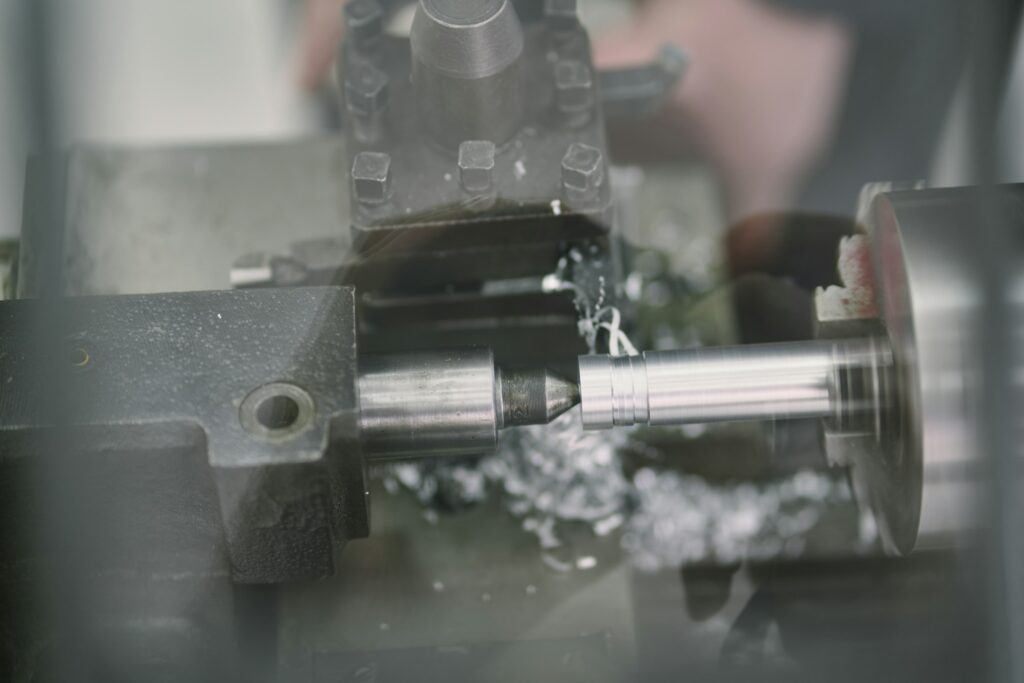
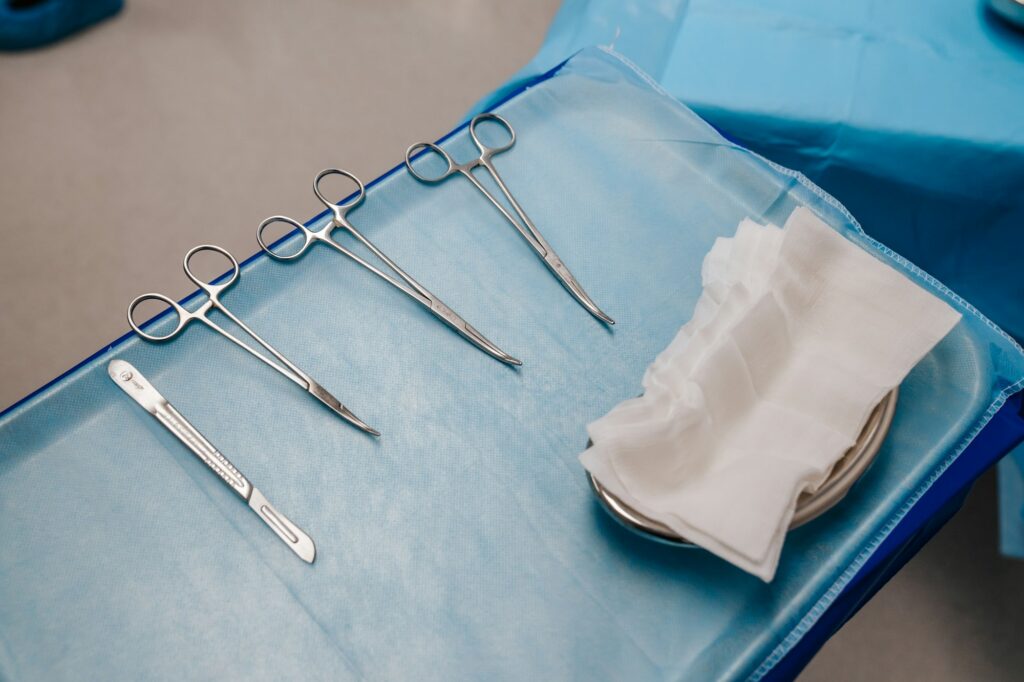
Medical machining covers everything from surgical instruments and handheld devices to orthopedic instruments and cases and micro-precision components. A few things set it apart:
- Materials. Common choices include 300-series and 17-4 PH stainless steel, titanium, aluminum for housings and fixtures, and engineering plastics such as PEEK and acetal. Implant-grade materials have their own specs and certification requirements. Our aluminum vs. titanium guide covers why titanium is common in medical work.
- Surface finish and edges. Instruments need smooth, burr-free surfaces that can be cleaned and sterilized. Call out surface roughness and edge break where they matter.
- Passivation and cleaning. Stainless instruments are typically passivated, and many parts need a defined cleaning process before packaging.
- Marking. Laser marking for part numbers, lot codes, and UDI-related data is common on instruments.
- Inspection. First article inspection, in-process checks, and documented final inspection, often with CMM data for critical features.
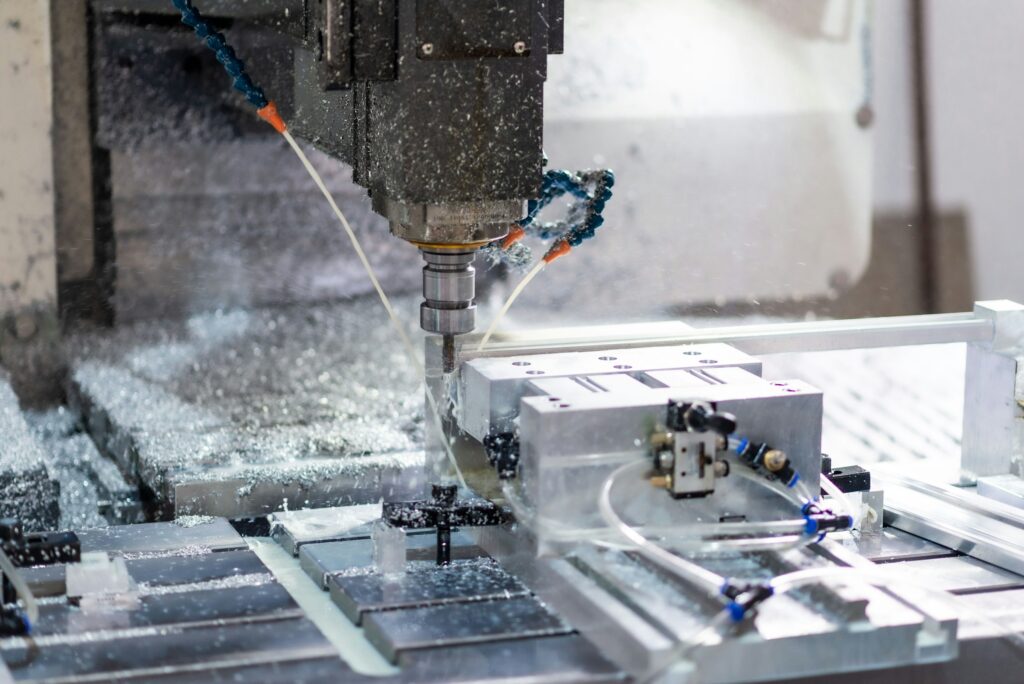
See our CNC machining page for the processes our network runs, from 5-axis milling to Swiss turning.
Medical injection molding: what to plan for
Medical injection molding (or medical injection moulding, as it’s often spelled outside the US) is used for device housings, disposables, and components for diagnostic and lab equipment. Compared to commercial molding, it adds:
- Resin selection and documentation. Medical-grade resins come with biocompatibility data and supplier commitments about formulation changes. Commercial grades may change without notice. Our resin selection guide covers common materials.
- Process validation. Molding processes for medical parts are commonly validated through installation, operational, and performance qualification (IQ, OQ, PQ) to prove the process makes good parts across its operating window.
- Cleanroom molding. Some parts, especially those that contact patients or fluids, need molding in a controlled environment. Many housings and capital equipment parts don’t.
- Tool ownership and maintenance. Mold changes count as process changes. Know who owns the tool and how changes are approved.
Our injection molding page covers tooling options from prototype to production.
Change control: the part buyers underestimate
The most common medical supplier problem isn’t a bad part. It’s an unapproved change: a new material source, a moved machine, a subcontracted finishing step, or a different shop altogether. Each one can trigger revalidation for the device maker. When you work with a supplier, ask how they notify you of changes, and make sure that commitment is in writing. Our post on what changes when you switch suppliers mid-program walks through the cost of requalification.
When a medical part fails inspection
Nonconforming parts on a medical program need containment, documented disposition, root cause, and corrective action, with the records to show it. See when a part fails inspection: who owns the fix for how that should work.
How PE supports medical programs
PE is ISO 13485 Compliant, AS9100D Compliant, and ISO 9001:2015, and ISO 13485 certification is available through our vendor network for programs that require it. We match medical work to shops qualified for the process and material, flow down your requirements, keep material certs and inspection records tied to every lot, and control changes through a single point of contact. Our QMS guide explains how quality control reaches every shop in the network, and our certifications and compliance page has the details.
Frequently asked questions
Medical machining is CNC machining of components for medical devices, instruments, and equipment. It adds traceability, documented inspection, process control, and change control to standard machining.
It depends on the device maker and the risk of the part. Many device makers require ISO 13485 certification for suppliers of critical components and accept other qualified quality systems for lower-risk parts.
Effective February 2, 2026, the FDA’s QMSR replaced the Quality System Regulation and incorporated ISO 13485:2016 by reference, aligning US requirements with the international standard.
No. Cleanroom molding is typically required for parts that contact patients, fluids, or sterile fields. Many housings and equipment parts are molded in standard controlled environments.
Send us the drawings.
A real person will contact you within 24 hours.